

greysell
Iron
- Joined
- Apr 15, 2026
- Posts
- 343
- Reputation
- 820
---Your Brain On Drugs---

By: greysell
 The Solution
In the 1960s, Soviet scientists took a standard GABA molecule and welded a phenyl ring (a tiny cluster of carbon and hydrogen atoms) onto it, and it worked.

Lion's Mane is not a research chemical but a functional mushroom with a long history of use in traditional Chinese medicine for its cognitive and neurological benefits. Unlike most nootropics, Lion's Mane works through a different mechanism: it promotes long-term brain health by stimulating nerve growth factor (NGF) synthesis, a protein crucial for the growth, maintenance, and survival of neurons. This makes it one of the natural nootropics for those seeking sustainable cognitive enhancement rather than a quick high.
How it works: The magic comes from two sets of bioactive compounds found in the mushroom. Hericenones and erinacines cross the blood-brain barrier and stimulate the synthesis of NGF, promoting neurogenesis and neuroplasticity. Think of it as helping your brain grow and repair itself over time rather than just forcing it to work harder for a few hours. It also boosts BDNF and supports hippocampal neurogenesis.
Clinical trials show that Lion's Mane improves visual attention, working memory, reaction time, and subjective sleep quality. In a 2026 double-blind RCT, adults taking 2g daily for 8 weeks showed more improvement in visual attention and working memory compared to placebo. A separate 2026 study found acute effects improved working memory, complex attention, reaction time, and even perceptions of happiness. A systematic review confirmed it enhances cognitive function, promotes gut health, and improves symptoms of anxiety and depression.
Dosage details
* Low dose: 1g per day – subtle benefits, may take 2-3 months to notice.
* Standard dose: 2g-3g per day – clinically effective range for cognitive improvement.
* High dose: 4g-6g per day – used in some studies; more effective for nerve injury repair.
* Very high dose: 9g+ – no benefit
* Onset of cumulative effects: 2-8 weeks
* Tolerance: None – effects may increase over time due to cumulative neurogenesis.
* Cycling: Not required, but some users cycle 3 months on, 1 month off to assess effectiveness.
* Preparation: Extract (8:1 or 10:1) is more potent than raw powder. Look for beta-glucan standardization (>25%).
* Stacking: Often combined with other nootropic mushrooms or with racetams for synergistic neuroplasticity.
Extra info
Lion's Mane has also been studied for its ability to stimulate peripheral nerve growth. It has shown promise in reducing amyloid-beta plaques in Alzheimer's models. The mushroom is edible and has a seafood-like flavor when cooked. Unlike many nootropics, Lion's Mane is generally safe for long-term use with no known serious side effects. Some users report vivid dreams or mild digestive discomfort when first starting. Lion's Mane also modulates the immune system via its beta-glucans, which may be beneficial or problematic depending on the individual's autoimmune status. It is not a substitute for prescription medications for neurodegenerative diseases, but it is a promising adjunct.
TL;DR
* Natural mushroom nootropic
* Stimulates NGF (Nerve Growth Factor) – helps your brain grow and repair itself
* Improves working memory, visual attention, reaction time, and mood
* Effects are slowly reversible after stopping
* Good for neuroprotection and long-term brain health, not for an immediate buzz
* Very safe with minimal side effects
Pregabalin (Lyrica)

Cerebrolysin is a nootropic that deserves respect. It is an injectable peptide mixture derived from purified porcine brain proteins, broken down into small active fragments that cross the blood‑brain barrier. Developed in Austria and used clinically for decades in over 50 countries , Cerebrolysin has one of the strongest bases for neuroregeneration of any compound available today.
By: greysell
Your Brain
Your brain weighs about 1.4 kg, contains ~86 billion neurons, Unlike any drug or supplement, your brain can rewire itself, heal from damage, and adapt to new challenges something called neuroplasticity.
Neuroplasticity means your brain changes with every thought, habit, and experience. The neurons you use frequently strengthen their connections; the ones you neglect get prunedd. This is why learning a new skill, practicing mindfulness, or getting quality sleep actually reshapes your brain's physical structure.
Mechanism
Your brain communicates via electrical impulses and chemical neurotransmitters (dopamine, serotonin, GABA, glutamate, etc). The key to optimizing it is not one receptor, but the entire network:
Prefrontal cortex – executive function, decision making, impulse control
Hippocampus – memory formation and spatial navigation
 Amygdala – emotional processing and fear responses
Basal ganglia – habit formation and reward learning
Brain Care
7-9 hours of sleep
30+ minutes of aerobic exercise 3-5x/week
learning a new language, musical instrument, or complex skill .
*the more you challenge your brain, the more adaptable it becomes.
Extra info
Your brain consumes 20% of your body's energy despite being only 2% of your mass. It runs on glucose (and ketones). The blood-brain barrier protects it from toxins but also blocks many supplements. Neurogenesis (birth of new neurons) happens in the hippocampus throughout life aerobic exercise boosts it. Loneliness and chronic stress are as damaging to brain health as smoking., Your brain cannot feel pain there are no pain receptors in brain tissue, which is why brain surgery can be performed while you're awake, the brain's storage capacity is estimated at 2.5 petabytes which is around 20,000 128gigabyte IPhones.
Your brain weighs about 1.4 kg, contains ~86 billion neurons, Unlike any drug or supplement, your brain can rewire itself, heal from damage, and adapt to new challenges something called neuroplasticity.
Neuroplasticity means your brain changes with every thought, habit, and experience. The neurons you use frequently strengthen their connections; the ones you neglect get prunedd. This is why learning a new skill, practicing mindfulness, or getting quality sleep actually reshapes your brain's physical structure.
Mechanism
Your brain communicates via electrical impulses and chemical neurotransmitters (dopamine, serotonin, GABA, glutamate, etc). The key to optimizing it is not one receptor, but the entire network:
Prefrontal cortex – executive function, decision making, impulse control
Hippocampus – memory formation and spatial navigation
Amygdala – emotional processing and fear responsesBasal ganglia – habit formation and reward learning
Brain Care
7-9 hours of sleep
30+ minutes of aerobic exercise 3-5x/week
learning a new language, musical instrument, or complex skill .
*the more you challenge your brain, the more adaptable it becomes.
Extra info
Your brain consumes 20% of your body's energy despite being only 2% of your mass. It runs on glucose (and ketones). The blood-brain barrier protects it from toxins but also blocks many supplements. Neurogenesis (birth of new neurons) happens in the hippocampus throughout life aerobic exercise boosts it. Loneliness and chronic stress are as damaging to brain health as smoking., Your brain cannot feel pain there are no pain receptors in brain tissue, which is why brain surgery can be performed while you're awake, the brain's storage capacity is estimated at 2.5 petabytes which is around 20,000 128gigabyte IPhones.
PHENIBUT
Phenibut isnt used as other nootropics such as piracetam, Alpha GPC, caffeine, or L-theanine. But phenibut showed alot of benefits through both formal studies and documentation.

Phenibut is a noiazepines, phenibut doesnt impair memory or psychomotor performance at therapeutic doses in most users, though high doses definetly do. Some ppl report
increased libido on phenibut, likely due to dopamine modulation
Phenibut Dosage Chart
Low dose:
• 250-500mg – mild anxiety reduction, slight sociability, improved sleep quality.
Moderate dose:
• 500mg – 1g – noticeable calm, reduced social anxiety, mild euphoria, deeper sleep.
High dose:
• 1 – 1.5g – strong relaxation, enhancde sociability, possible drowsiness, mild motor impairment.
Very High dose:
• 1.5 – 2g – heavy sedation, pronounced euphoria, impaired coordination, next‑day hangover risk.
Notes: Onset 2-4 hrs (empty stomach), duration 8-12 hrs. Tolerance builds rapidly; use max 1-2x per week. Do not mix with alcohol, benzos, or opioids. Withdrawal can be severe.
Extra Info
synthetic central nervous system depressant developed in the 1960s in the Soviet Union. Soviet researchers originally synthesized phenibut to relieve tension, anxiety, and insomnia without dulling cognitive functions. It was famously included in the medical kits of Soviet cosmonauts to help them keep a calm, steady head under the extreme pressure of space travel, people claim that it enhances their auditory perception, giving them a heightened emotional appreciation for music similar to the effects associated with MDMA, Your brain naturally produces GABA to calm you down, but taking pure GABA as a supplement does absolutely nothing for anxiety because it cant cross the blood-brain barrier
Phenibut isnt used as other nootropics such as piracetam, Alpha GPC, caffeine, or L-theanine. But phenibut showed alot of benefits through both formal studies and documentation.
Phenibut is a noiazepines, phenibut doesnt impair memory or psychomotor performance at therapeutic doses in most users, though high doses definetly do. Some ppl report
increased libido on phenibut, likely due to dopamine modulation
Phenibut Dosage Chart
Low dose:
• 250-500mg – mild anxiety reduction, slight sociability, improved sleep quality.
Moderate dose:
• 500mg – 1g – noticeable calm, reduced social anxiety, mild euphoria, deeper sleep.
High dose:
• 1 – 1.5g – strong relaxation, enhancde sociability, possible drowsiness, mild motor impairment.
Very High dose:
• 1.5 – 2g – heavy sedation, pronounced euphoria, impaired coordination, next‑day hangover risk.
Notes: Onset 2-4 hrs (empty stomach), duration 8-12 hrs. Tolerance builds rapidly; use max 1-2x per week. Do not mix with alcohol, benzos, or opioids. Withdrawal can be severe.
Extra Info
synthetic central nervous system depressant developed in the 1960s in the Soviet Union. Soviet researchers originally synthesized phenibut to relieve tension, anxiety, and insomnia without dulling cognitive functions. It was famously included in the medical kits of Soviet cosmonauts to help them keep a calm, steady head under the extreme pressure of space travel, people claim that it enhances their auditory perception, giving them a heightened emotional appreciation for music similar to the effects associated with MDMA, Your brain naturally produces GABA to calm you down, but taking pure GABA as a supplement does absolutely nothing for anxiety because it cant cross the blood-brain barrier
The Solution In the 1960s, Soviet scientists took a standard GABA molecule and welded a phenyl ring (a tiny cluster of carbon and hydrogen atoms) onto it, and it worked.
DMAA (1,3-Dimethylamylamine)
DMAA is an ingredient that is included in workout stimulants and weight loss supplements. The acronym stands for dimethylamylamine,
DMAA is known as a neural stimulant and exhibits the same structure as adrenaline and ephedrine. It has been used for pre-workout stimulation and uses sharp spikes of
energy like caffeine does, using a different brain mechanism.
DMAA was introduced back in 1948 as a nasal decongestant and could be purchased under the popular name Germanium oil extract. In recent times, DMAA has been used mainly as a neurological stimulant and party pill.
It isnt reccomended for athletes to use DMAA due to its similarity to amphetamines in terms of structure. It provides a false positive on drug tests for other banned stimulants. Dimethylamylamine is very stimulatory, but hasnt been studied alone.
Mechanism
DMAA acts as a norepinephrine-dopamine reuptake inhibitor (NDRI) and also releases norepinephrine directly. This leads to increased alertness, elevated heart rate, vasoconstriction, and significant energy and focus. Unlike caffeine, DMAA doesnt significantly affect adenosine receptors.
Dosage Details
Low dose:
• 10-20mg – increased energy, mild focus enhancement, slight heart rate elevation.
Moderate dose:
• 20-30mg – strong stimulant effect, pronounced mental clarity, appetite suppression, increased body temperature.
High dose:
• 30-50mg – intense stimulation, possible anxiety, jitteriness, significant blood pressure increase.
Very High dose:
• 50-75mg – risk of hypertensive crisis, chest pain, severe insomnia,
Onset:
15-30 minutes (faster on empty stomach).
Duration:
• 4-6 hours, with after-effects (residual stimulation) up to 8 hours.
Half-life:
• Approximately 8-10 hours.
Tolerance:
• Builds extremely fast, within 2-3 consecutive uses.
Cycling recommendation:
• Use no more than 4 times per week to prevent addiction and tolerance.
Synergistic effects:
• Often stacked with caffeine (100-200mg) for amplified energy and focus.
Extra info
DMAA was a key ingredient in many popular pre-workout supps, before being banned by the FDA in 2013 due to safety concerns, including reports of heart attacks, seizures, and deaths. However, it remains available as a research chemical. Structurally, DMAA is an amphetamine derivative, it's essentially a less potent version of methamphetamine without the methyl group on the nitrogen. Some peop report a "cleaner" stimulation compared to caffeine, with less jitteriness but more physical energy. Military studies have investigated DMAA as a fatigue countermeasure for soldiers. Anecdotally, it provides strong tunnel focus ideal for studying, physical labor, or intense workouts.
TL;DR
On
Enhanced focus and ability to concentrate
Lowers anxiety and boosts overall well-being
Dont use the product everyday
May cause false positives on drug tests for meth and speed
DMAA is an ingredient that is included in workout stimulants and weight loss supplements. The acronym stands for dimethylamylamine,
DMAA is known as a neural stimulant and exhibits the same structure as adrenaline and ephedrine. It has been used for pre-workout stimulation and uses sharp spikes of
energy like caffeine does, using a different brain mechanism.
DMAA was introduced back in 1948 as a nasal decongestant and could be purchased under the popular name Germanium oil extract. In recent times, DMAA has been used mainly as a neurological stimulant and party pill.
It isnt reccomended for athletes to use DMAA due to its similarity to amphetamines in terms of structure. It provides a false positive on drug tests for other banned stimulants. Dimethylamylamine is very stimulatory, but hasnt been studied alone.
Mechanism
DMAA acts as a norepinephrine-dopamine reuptake inhibitor (NDRI) and also releases norepinephrine directly. This leads to increased alertness, elevated heart rate, vasoconstriction, and significant energy and focus. Unlike caffeine, DMAA doesnt significantly affect adenosine receptors.
Dosage Details
Low dose:
• 10-20mg – increased energy, mild focus enhancement, slight heart rate elevation.
Moderate dose:
• 20-30mg – strong stimulant effect, pronounced mental clarity, appetite suppression, increased body temperature.
High dose:
• 30-50mg – intense stimulation, possible anxiety, jitteriness, significant blood pressure increase.
Very High dose:
• 50-75mg – risk of hypertensive crisis, chest pain, severe insomnia,
Onset:
15-30 minutes (faster on empty stomach).
Duration:
• 4-6 hours, with after-effects (residual stimulation) up to 8 hours.
Half-life:
• Approximately 8-10 hours.
Tolerance:
• Builds extremely fast, within 2-3 consecutive uses.
Cycling recommendation:
• Use no more than 4 times per week to prevent addiction and tolerance.
Synergistic effects:
• Often stacked with caffeine (100-200mg) for amplified energy and focus.
Extra info
DMAA was a key ingredient in many popular pre-workout supps, before being banned by the FDA in 2013 due to safety concerns, including reports of heart attacks, seizures, and deaths. However, it remains available as a research chemical. Structurally, DMAA is an amphetamine derivative, it's essentially a less potent version of methamphetamine without the methyl group on the nitrogen. Some peop report a "cleaner" stimulation compared to caffeine, with less jitteriness but more physical energy. Military studies have investigated DMAA as a fatigue countermeasure for soldiers. Anecdotally, it provides strong tunnel focus ideal for studying, physical labor, or intense workouts.
TL;DR
On
Enhanced focus and ability to concentrate
Lowers anxiety and boosts overall well-being
Dont use the product everyday
May cause false positives on drug tests for meth and speed
Modafinil

Modafinil is used to promote wakefulness in patients with excessive sleepiness associated with narcolepsy, obstructive sleep apnea, and shift work sleep disorder.
Mechanism
Modafinil's exact mechanism is still debated, but it is known to inhibit the reuptake of dopamine, increase histamine release (promoting wakefulness), and activate orexin neurons in the hypothalamus – a key wakefulness-promoting system. Unlike amphetamines, it does not cause significant euphoria or peripheral sympathetic overactivity (no racing heart or jitters in most users).
Dosage details
Standard dose:
• 100-200mg once daily in the morning.
Low dose:
• 50mg – subtle wakefulness, improved cognitive stamina, minimal side effects.
Moderate dose:
• 100mg – increased alertness, better focus on tasks, reduced fatigue.
Standard dose:
• 200-250mg – maximal wakefulness enhancement, improved executive function and working memory.
High dose:
• 300-500mg – increased risk of headache, nausea, anxiety, and insomnia without added cognitive benefit.
Onset:
• 30-60 minutes.
Peak effect:
• 2-4 hours.
Duration:
• 10-15 hours.
Half-life:
• 12-15 hours.
Tolerance:
• Minimal compared to amphetamines; some users report no tolerance even with daily use for years. However, a subset develops tolerance after 2-4 weeks.
Cycling:
• Many users take modafinil 4-5 days per week with weekend breaks to reset sensitivity.
Stacking:
• Often combined with caffeine (50-100mg) for additive wakefulness, but this increases anxiety risk. Also stacked with choline sources (Alpha-GPC, CDP-choline) to prevent headaches.
Extra info
Modafinil is a eugeroic (wakefulness-promoting agent) not a classic stimulant. It was developed by Lafon Laboratories in France and approved by the FDA in 1998. Unlike amphetamines, modafinil does not typically produce euphoria, making it less addictive – but dependence and abuse have been reported. Modafinil is known to improve cognitive flexibility, creativity, and decision-making in sleep-deprived individuals. Modafinil is prescription-only in most countries but widely available online as a research chemical. The related drug armodafinil is the R-enantiomer and has a slightly longer duration (15-16 hours). Common side effects include headache, dry mouth, and reduced appetite.
TL;DR
Boosts mental performance and wakefulness
Boosts focus, willpower, and overall well-being
Stick to 100-250mg
Modafinil is used to promote wakefulness in patients with excessive sleepiness associated with narcolepsy, obstructive sleep apnea, and shift work sleep disorder.
Mechanism
Modafinil's exact mechanism is still debated, but it is known to inhibit the reuptake of dopamine, increase histamine release (promoting wakefulness), and activate orexin neurons in the hypothalamus – a key wakefulness-promoting system. Unlike amphetamines, it does not cause significant euphoria or peripheral sympathetic overactivity (no racing heart or jitters in most users).
Dosage details
Standard dose:
• 100-200mg once daily in the morning.
Low dose:
• 50mg – subtle wakefulness, improved cognitive stamina, minimal side effects.
Moderate dose:
• 100mg – increased alertness, better focus on tasks, reduced fatigue.
Standard dose:
• 200-250mg – maximal wakefulness enhancement, improved executive function and working memory.
High dose:
• 300-500mg – increased risk of headache, nausea, anxiety, and insomnia without added cognitive benefit.
Onset:
• 30-60 minutes.
Peak effect:
• 2-4 hours.
Duration:
• 10-15 hours.
Half-life:
• 12-15 hours.
Tolerance:
• Minimal compared to amphetamines; some users report no tolerance even with daily use for years. However, a subset develops tolerance after 2-4 weeks.
Cycling:
• Many users take modafinil 4-5 days per week with weekend breaks to reset sensitivity.
Stacking:
• Often combined with caffeine (50-100mg) for additive wakefulness, but this increases anxiety risk. Also stacked with choline sources (Alpha-GPC, CDP-choline) to prevent headaches.
Extra info
Modafinil is a eugeroic (wakefulness-promoting agent) not a classic stimulant. It was developed by Lafon Laboratories in France and approved by the FDA in 1998. Unlike amphetamines, modafinil does not typically produce euphoria, making it less addictive – but dependence and abuse have been reported. Modafinil is known to improve cognitive flexibility, creativity, and decision-making in sleep-deprived individuals. Modafinil is prescription-only in most countries but widely available online as a research chemical. The related drug armodafinil is the R-enantiomer and has a slightly longer duration (15-16 hours). Common side effects include headache, dry mouth, and reduced appetite.
TL;DR
Boosts mental performance and wakefulness
Boosts focus, willpower, and overall well-being
Stick to 100-250mg
Theacrine
Theacrine is a small alkaloid molecule that is essentially a structurally modified version of caffeine. The chemical is actually synthesized from caffeine in certain plants. These plants then accumulate theacrine, which gives us natural theacrine sources, s. It has to offer effects similar to caffeine, but with less tolerance. That means you can continue taking theacrine in small doses ,
Mechanism: Theacrine is a non-selective adenosine receptor antagonist (A1, A2A) like caffeine, but with higher affinity for A2A. It also modulates dopamine D1 and D2 receptors, contributing to mood elevation. Unlike caffeine, theacrine does not raise cortisol at moderate doses, which may explain its reduced anxiety and tolerance profile.
Dosage details
*Low dose: 25-50mg – subtle alertness, no overt stimulation.
Standard dose: 100-200mg – comparable to 100-200mg caffeine, with less jitteriness and longer duration.
* High dose: 300-500mg – increased energy, focus, and mood elevation.
Very high dose: 600-800mg – mild anxiety, insomnia, or digestive issues.
* Onset: 30-60 minutes.
* Peak effect: 2-4 hours.
* Duration: 6-8 hours (longer than caffeine).
* Half-life: Approximately 6-10 hours.
* Tolerance: Minimal – one study showed no tolerance after 7 days of continuous use .
* Cycling: Not necessary, but many users cycle 5 days on, 2 days off to maintain sensitivity.
* Stacking: Often combined with caffeine (1:1 or 2:1 theacrine:caffeine) for synergistic alertness without increased anxiety.
Extra info
Theacrine is found in small amounts in natural products. It has been used in traditional Chinese medicine as a mild stimulant and anti-inflammatory. Theacrine has shown anti-depressant effects in animal models, possibly via dopaminergic pathways. Unlike caffeine, theacrine does not negatively impact sleep architecture when taken in the morning – some studies even suggest improved sleep quality due to reduced caffeine withdrawal.
It has no known interactions with common medications, but it may potentiate other stimulants. Side effects are rare but include headache and nausea at very high doses.
TL;DR
* Updated natural version of caffeine – cleaner, longer, no tolerance buildup
* Nice pre-workout
Theacrine is a small alkaloid molecule that is essentially a structurally modified version of caffeine. The chemical is actually synthesized from caffeine in certain plants. These plants then accumulate theacrine, which gives us natural theacrine sources, s. It has to offer effects similar to caffeine, but with less tolerance. That means you can continue taking theacrine in small doses ,
Mechanism: Theacrine is a non-selective adenosine receptor antagonist (A1, A2A) like caffeine, but with higher affinity for A2A. It also modulates dopamine D1 and D2 receptors, contributing to mood elevation. Unlike caffeine, theacrine does not raise cortisol at moderate doses, which may explain its reduced anxiety and tolerance profile.
Dosage details
*Low dose: 25-50mg – subtle alertness, no overt stimulation.
Standard dose: 100-200mg – comparable to 100-200mg caffeine, with less jitteriness and longer duration.
* High dose: 300-500mg – increased energy, focus, and mood elevation.
Very high dose: 600-800mg – mild anxiety, insomnia, or digestive issues.
* Onset: 30-60 minutes.
* Peak effect: 2-4 hours.
* Duration: 6-8 hours (longer than caffeine).
* Half-life: Approximately 6-10 hours.
* Tolerance: Minimal – one study showed no tolerance after 7 days of continuous use .
* Cycling: Not necessary, but many users cycle 5 days on, 2 days off to maintain sensitivity.
* Stacking: Often combined with caffeine (1:1 or 2:1 theacrine:caffeine) for synergistic alertness without increased anxiety.
Extra info
Theacrine is found in small amounts in natural products. It has been used in traditional Chinese medicine as a mild stimulant and anti-inflammatory. Theacrine has shown anti-depressant effects in animal models, possibly via dopaminergic pathways. Unlike caffeine, theacrine does not negatively impact sleep architecture when taken in the morning – some studies even suggest improved sleep quality due to reduced caffeine withdrawal.
It has no known interactions with common medications, but it may potentiate other stimulants. Side effects are rare but include headache and nausea at very high doses.
TL;DR
* Updated natural version of caffeine – cleaner, longer, no tolerance buildup
* Nice pre-workout
Noopept
Most people turn to Noopept because they are hoping to increase their brainpower and experience cognitive enhancement.
Studies show that this can be very effective at increasing memory and learning abilities. Speed of memory recall may also be improved.
Different people will experience these effects in different ways. Some may find them to be subtle improvements, such as being able to hold conversations longer and with much less effort (and then remember every detail later). Others may see some significant improvements when taking Noopept powder and are subsequently able to remember almost everything. The same goes for enhanced learning capacity. Mental energy is also improved.
Mechanism: Noopept is a dipeptide analog of piracetam (which is 1000x more potent by weight). It modulates AMPA and NMDA glutamate receptors, increases BDNF and NGF in the hippocampus, and promotes neuroplasticity. Unlike most racetams, Noopept also has anticonvulsant and neuroprotective properties.
Dosage details
* Low dose: 5-10mg – mild memory enhancement, mental clarity, no acute stimulation.
* Standard dose: 10-20mg – pronounced improvement in verbal fluency, working memory, and pattern recognition.
* High dose: 20-30mg – brain fog (less is often more with Noopept).
* Very high dose: 30-50mg – can cause short-term memory deficits, headaches,
* Onset: Sublingual: 5-10 minutes; Oral: 20-40 minutes.
* Duration: 3-6 hours (active effects), with after-effects lasting 12-24 hours.
* Half-life: Approximately 30 minutes, but active metabolites prolong effects.
* Tolerance: Minimal with standard cycling; some users report "reverse tolerance" .
* Cycling: Typical protocol is 30-60 days on, then 1-2 weeks off. Many users take Noopept 5 days per week.
* Stacking: Often combined with a choline source (Alpha-GPC, CDP-choline) to prevent headaches, similar to racetams.
Extra info
Noopept was developed in Russia and is approved there as a prescription drug for memory disorders and cognitive impairment. It is not FDA-approved in the US but is widely available as a supplement. Unlike many nootropics, Noopept is active at very low doses . Sublingual administration is preferred by many because it bypasses first-pass metabolism and increases bioavailability. Some ppl describe a sharpening of senses , colors may seem brighter, music clearer. Side effects are rare but include mild headaches, and in some cases, short-term memory suppression . Noopept is not addictive.
TL;DR
* Boosts mental performance and processing speed
* Boosts memory recall and learning capacity
Most people turn to Noopept because they are hoping to increase their brainpower and experience cognitive enhancement.
Studies show that this can be very effective at increasing memory and learning abilities. Speed of memory recall may also be improved.
Different people will experience these effects in different ways. Some may find them to be subtle improvements, such as being able to hold conversations longer and with much less effort (and then remember every detail later). Others may see some significant improvements when taking Noopept powder and are subsequently able to remember almost everything. The same goes for enhanced learning capacity. Mental energy is also improved.
Mechanism: Noopept is a dipeptide analog of piracetam (which is 1000x more potent by weight). It modulates AMPA and NMDA glutamate receptors, increases BDNF and NGF in the hippocampus, and promotes neuroplasticity. Unlike most racetams, Noopept also has anticonvulsant and neuroprotective properties.
Dosage details
* Low dose: 5-10mg – mild memory enhancement, mental clarity, no acute stimulation.
* Standard dose: 10-20mg – pronounced improvement in verbal fluency, working memory, and pattern recognition.
* High dose: 20-30mg – brain fog (less is often more with Noopept).
* Very high dose: 30-50mg – can cause short-term memory deficits, headaches,
* Onset: Sublingual: 5-10 minutes; Oral: 20-40 minutes.
* Duration: 3-6 hours (active effects), with after-effects lasting 12-24 hours.
* Half-life: Approximately 30 minutes, but active metabolites prolong effects.
* Tolerance: Minimal with standard cycling; some users report "reverse tolerance" .
* Cycling: Typical protocol is 30-60 days on, then 1-2 weeks off. Many users take Noopept 5 days per week.
* Stacking: Often combined with a choline source (Alpha-GPC, CDP-choline) to prevent headaches, similar to racetams.
Extra info
Noopept was developed in Russia and is approved there as a prescription drug for memory disorders and cognitive impairment. It is not FDA-approved in the US but is widely available as a supplement. Unlike many nootropics, Noopept is active at very low doses . Sublingual administration is preferred by many because it bypasses first-pass metabolism and increases bioavailability. Some ppl describe a sharpening of senses , colors may seem brighter, music clearer. Side effects are rare but include mild headaches, and in some cases, short-term memory suppression . Noopept is not addictive.
TL;DR
* Boosts mental performance and processing speed
* Boosts memory recall and learning capacity
Piracetam
Piracetam is the first synthetic nootropic ever developed, discovered in 1964 by Dr. Corneliu Giurgea. While other racetams are more potent, Piracetam remains the most studied and has the longest safety record. It works by modulating cholinergic and glutamatergic neurotransmission and improving cerebral blood flow.
Effects are subtle but cumulative. Most users report better verbal fluency, memory recall, and learning capacity after a few weeks of consistent use.
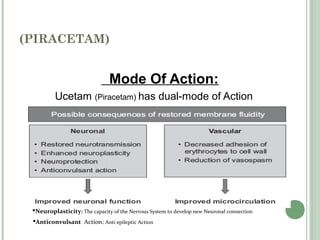
Mechanism: Piracetam is a positive allosteric modulator of AMPA receptors, enhancing glutamate-mediated neurotransmission. It also increases the fluidity of cell membranes, improving neurotransmitter receptor function, and increases oxygen and glucose metabolism in the brain. Piracetam has no significant affinity for any receptor and does not cause sedation or stimulation
Dosage details
* Low dose: 1.2g-1.6g per day – subtle effects, often unnoticeable in first week.
* Standard dose: 2.5g-5g per day – improved memory, verbal fluency, and learning.
* High dose: 6.0g-10g per day – used in clinical studies for myoclonus; increased cognitive effects but also more side effects.
* Maximum daily dose: Up to 25g
* Onset: Acute effects are minimal; cumulative effects appear after 2-4 weeks of consistent dosing.
* Duration of acute effect: 4-6 hours per dose.
* Half-life: 4-5 hours (short, requiring split dosing).
* Tolerance: None reported – effects may increase over time due to neuroplasticity.
* Cycling: Not necessary, but some users take weekends off to reset sensitivity.
* Stacking: Almost always stacked with a choline source (e.g., 250-500mg Alpha-GPC or CDP-choline per 2g piracetam) to prevent choline depletion headaches.
Extra info
Piracetam is approved in many European countries for myoclonus, dyslexia, and cognitive impairment in the elderly. The original nootropic, piracetam has a vast body of research, over 1000 published studies. It has shown neuroprotective effects after stroke and brain injury Unlike newer racetams, piracetam is very hydrophilic, meaning it does not cross the blood-brain barrier easily, which is why grams are needed. Some users report increased verbal fluidity as the most noticeable benefit. Side effects include mild headache , insomnia , agitation or anxiety. Piracetam is not addictive and has low toxicity.
TL;DR
* Improves memory, learning, and verbal fluency
* Extremely low side effect profile (headaches possible – take with choline)
* Not psychoactive, no addiction potential
Piracetam is the first synthetic nootropic ever developed, discovered in 1964 by Dr. Corneliu Giurgea. While other racetams are more potent, Piracetam remains the most studied and has the longest safety record. It works by modulating cholinergic and glutamatergic neurotransmission and improving cerebral blood flow.
Effects are subtle but cumulative. Most users report better verbal fluency, memory recall, and learning capacity after a few weeks of consistent use.
Mechanism: Piracetam is a positive allosteric modulator of AMPA receptors, enhancing glutamate-mediated neurotransmission. It also increases the fluidity of cell membranes, improving neurotransmitter receptor function, and increases oxygen and glucose metabolism in the brain. Piracetam has no significant affinity for any receptor and does not cause sedation or stimulation
Dosage details
* Low dose: 1.2g-1.6g per day – subtle effects, often unnoticeable in first week.
* Standard dose: 2.5g-5g per day – improved memory, verbal fluency, and learning.
* High dose: 6.0g-10g per day – used in clinical studies for myoclonus; increased cognitive effects but also more side effects.
* Maximum daily dose: Up to 25g
* Onset: Acute effects are minimal; cumulative effects appear after 2-4 weeks of consistent dosing.
* Duration of acute effect: 4-6 hours per dose.
* Half-life: 4-5 hours (short, requiring split dosing).
* Tolerance: None reported – effects may increase over time due to neuroplasticity.
* Cycling: Not necessary, but some users take weekends off to reset sensitivity.
* Stacking: Almost always stacked with a choline source (e.g., 250-500mg Alpha-GPC or CDP-choline per 2g piracetam) to prevent choline depletion headaches.
Extra info
Piracetam is approved in many European countries for myoclonus, dyslexia, and cognitive impairment in the elderly. The original nootropic, piracetam has a vast body of research, over 1000 published studies. It has shown neuroprotective effects after stroke and brain injury Unlike newer racetams, piracetam is very hydrophilic, meaning it does not cross the blood-brain barrier easily, which is why grams are needed. Some users report increased verbal fluidity as the most noticeable benefit. Side effects include mild headache , insomnia , agitation or anxiety. Piracetam is not addictive and has low toxicity.
TL;DR
* Improves memory, learning, and verbal fluency
* Extremely low side effect profile (headaches possible – take with choline)
* Not psychoactive, no addiction potential
Aniracetam
Aniracetam is a fat-soluble racetam that is known for its unique ability to reduce anxiety while simultaneously boosting cognitive function. Unlike Piracetam, Aniracetam has a noticeable acute effect – you feel it within an hour.
It also modulates AMPA receptors and has been shown to enhance creative thinking and lateral thinking.
Mechanism: Aniracetam is a positive allosteric modulator of AMPA receptors, similar to piracetam but more potent. Additionally, it modulates nicotinic acetylcholine receptors (nAChRs) and has 5-HT2A serotonin receptor affinity, which is believed to contribute to its anxiolytic and mood-elevating effects.
Dosage details
* Low dose: 500-750mg per day – mild cognitive enhancement, subtle anxiety reduction.
* Standard dose: 750mg-1.5g per day (split into 2-3 doses) – noticeable creativity boost, reduced social anxiety, improved pattern recognition.
* High dose: 1.5g-2g per day – pronounced effects, possible sedation or irritability in some users.
* Maximum single dose: 1g
* Onset: 40-60 minutes.
* Peak effect: 2-3 hours.
* Duration: 4-6 hours.
* Half-life: 1-2 hours (very short), but active metabolites (N-anisoyl-GABA) extend duration.
* Tolerance: Minimal; some users report sustained effects for months without cycling.
* Cycling: Not strictly necessary, but many use 5 days on, 2 days off.
* Absorption note: Aniracetam is fat-soluble
* Stacking: Often stacked with a choline source (like piracetam) to prevent headaches.
Extra info
Aniracetam was developed in the 1970s and is used clinically in some European countries and Japan for cognitive impairment. It has shown efficacy in reducing anxiety in animal models without the side effects of benzodiazepines. Aniracetam is also known for increasing "lateral thinking" , the ability to make novel connections between irrelevant subjects. Unlike piracetam, aniracetam produces a noticeable, some describe it as a mild, warm, wave-like sensation, especially in the shoulders and neck. Side effects can include rage and insomnia if taken too late in the day. Aniracetam is not addictive and has very low toxicity.
TL;DR
* Racetam + anti-anxiety effect in one
* Boosts creative and lateral thinking
* More noticeable than Piracetam
* Side effects: possible irritability or brain fog if overdone
Aniracetam is a fat-soluble racetam that is known for its unique ability to reduce anxiety while simultaneously boosting cognitive function. Unlike Piracetam, Aniracetam has a noticeable acute effect – you feel it within an hour.
It also modulates AMPA receptors and has been shown to enhance creative thinking and lateral thinking.
Mechanism: Aniracetam is a positive allosteric modulator of AMPA receptors, similar to piracetam but more potent. Additionally, it modulates nicotinic acetylcholine receptors (nAChRs) and has 5-HT2A serotonin receptor affinity, which is believed to contribute to its anxiolytic and mood-elevating effects.
Dosage details
* Low dose: 500-750mg per day – mild cognitive enhancement, subtle anxiety reduction.
* Standard dose: 750mg-1.5g per day (split into 2-3 doses) – noticeable creativity boost, reduced social anxiety, improved pattern recognition.
* High dose: 1.5g-2g per day – pronounced effects, possible sedation or irritability in some users.
* Maximum single dose: 1g
* Onset: 40-60 minutes.
* Peak effect: 2-3 hours.
* Duration: 4-6 hours.
* Half-life: 1-2 hours (very short), but active metabolites (N-anisoyl-GABA) extend duration.
* Tolerance: Minimal; some users report sustained effects for months without cycling.
* Cycling: Not strictly necessary, but many use 5 days on, 2 days off.
* Absorption note: Aniracetam is fat-soluble
* Stacking: Often stacked with a choline source (like piracetam) to prevent headaches.
Extra info
Aniracetam was developed in the 1970s and is used clinically in some European countries and Japan for cognitive impairment. It has shown efficacy in reducing anxiety in animal models without the side effects of benzodiazepines. Aniracetam is also known for increasing "lateral thinking" , the ability to make novel connections between irrelevant subjects. Unlike piracetam, aniracetam produces a noticeable, some describe it as a mild, warm, wave-like sensation, especially in the shoulders and neck. Side effects can include rage and insomnia if taken too late in the day. Aniracetam is not addictive and has very low toxicity.
TL;DR
* Racetam + anti-anxiety effect in one
* Boosts creative and lateral thinking
* More noticeable than Piracetam
* Side effects: possible irritability or brain fog if overdone
L-Theanine
Not a research chemical, L-Theanine is an amino acid found almost exclusively in green tea. It promotes a state of calm alertness without sedation. It works by increasing GABA, serotonin, and dopamine levels in the brain.
It works better when you stack it with caffeine – L-Theanine smooths out the jitters, anxiety, and crash.
Mechanism: L-Theanine crosses the blood-brain barrier and increases alpha brain wave activity. It is a structural analog of glutamate, but it acts as an antagonist at kainate and AMPA receptors (reducing excitation) while increasing GABA levels (. It also increases BDNF and GDNF in some brain regions.
Dosage details
* Low dose: 50-100mg – subtle relaxation, mild improvement in sleep quality.
* Standard dose: 100-250mg – noticeable calm without sedation, improved focus when paired with caffeine.
* High dose: 300-500mg – pronounced relaxation, better sleep onset, significant reduction of caffeine-induced anxiety.
* Very high dose: 500-1g – used occasionally for acute anxiety or sleep; may cause mild drowsiness.
* Onset: 30-60 minutes.
* Peak effect: 1-2 hours.
* Duration: 3-5 hours (single dose), though longer when used regularly.
* Half-life: Approximately 1.2 hours .
* Tolerance: None reported – L-Theanine is not habit-forming.
* Cycling: Not required; safe for daily use.
* Stacking: The classic stack is 2:1 L-Theanine to caffeine (e.g., 300mg L-Theanine + 150mg caffeine). Also stacks well with GABA, magnesium, and melatonin for sleep.
Extra info
L-Theanine has consistently positive results in clinical trials for anxiety, sleep, and cognitive performance. It is particularly effective for people who get overstimulated or anxious from caffeine. L-Theanine has also been shown to reduce stress-related blood pressure increases and improve immune function. Unlike prescription anxiolytics , L-Theanine does not cause sedation, tolerance, or withdrawal. It is generally recognized as safe (GRAS) and has no known drug interactions, though it may potentiate the effects of other sedatives. L-Theanine is also being studied for its potential to protect against neuronal damage from stroke and ischemia.
TL;DR
* Natural amino acid
* Calm alertness – no sedation, no high
* Lowers caffeine jitters and anxiety
* Improves sleep quality when taken alone at night
Not a research chemical, L-Theanine is an amino acid found almost exclusively in green tea. It promotes a state of calm alertness without sedation. It works by increasing GABA, serotonin, and dopamine levels in the brain.
It works better when you stack it with caffeine – L-Theanine smooths out the jitters, anxiety, and crash.
Mechanism: L-Theanine crosses the blood-brain barrier and increases alpha brain wave activity. It is a structural analog of glutamate, but it acts as an antagonist at kainate and AMPA receptors (reducing excitation) while increasing GABA levels (. It also increases BDNF and GDNF in some brain regions.
Dosage details
* Low dose: 50-100mg – subtle relaxation, mild improvement in sleep quality.
* Standard dose: 100-250mg – noticeable calm without sedation, improved focus when paired with caffeine.
* High dose: 300-500mg – pronounced relaxation, better sleep onset, significant reduction of caffeine-induced anxiety.
* Very high dose: 500-1g – used occasionally for acute anxiety or sleep; may cause mild drowsiness.
* Onset: 30-60 minutes.
* Peak effect: 1-2 hours.
* Duration: 3-5 hours (single dose), though longer when used regularly.
* Half-life: Approximately 1.2 hours .
* Tolerance: None reported – L-Theanine is not habit-forming.
* Cycling: Not required; safe for daily use.
* Stacking: The classic stack is 2:1 L-Theanine to caffeine (e.g., 300mg L-Theanine + 150mg caffeine). Also stacks well with GABA, magnesium, and melatonin for sleep.
Extra info
L-Theanine has consistently positive results in clinical trials for anxiety, sleep, and cognitive performance. It is particularly effective for people who get overstimulated or anxious from caffeine. L-Theanine has also been shown to reduce stress-related blood pressure increases and improve immune function. Unlike prescription anxiolytics , L-Theanine does not cause sedation, tolerance, or withdrawal. It is generally recognized as safe (GRAS) and has no known drug interactions, though it may potentiate the effects of other sedatives. L-Theanine is also being studied for its potential to protect against neuronal damage from stroke and ischemia.
TL;DR
* Natural amino acid
* Calm alertness – no sedation, no high
* Lowers caffeine jitters and anxiety
* Improves sleep quality when taken alone at night
Caffeine

Caffeine is the most widely consumed psychoactive substance on the planet, and for good reason. It's the benchmark stimulant, found in coffee, tea, guarana, and cacao bens. Caffeine works primarily as an adenosine receptor antagonist, meaning it blocks the brain's "sleep pressure" chemical (adenosine). This leads to better neuronal firing, release of dopamine and glutamate, and a cascade of wakefulness and focus.
What it actually does: At low to moderate doses (100-300mg), caffeine improves alertness, reaction time, mood, and cognitive performance, especially on simple tasks. It also increases physical endurance, reduces perceived effort during exercise. The peak effect hits around 30-60 minutes after oral ingestion, with a half-life of about 4-6 hours though genetics play a huge role.
Dosage details
* Low dose: 50-150mg – increased alertness, mild energy, improved reaction time.
* Standard dose: 100-250mg – optimal for most people; clear stimulation, reduced fatigue, improved focus.
* High dose: 200-500mg – strong stimulation, possible jitters in sensitive individuals.
* Very high dose : 600-900mg – high anxiety, insomnia, heart palpitations.
* Onset: 15-30 minutes (empty stomach) and 30-60 minutes (with food).
* Peak effect: 30-60 minutes.
* Duration of action: 4-6 hours (half-life)
* Half-life: 3-6 hours (genetic variation; some metabolize in 2 hours, others in 10 hours).
* Tolerance: Begins after 4-6 days of daily use; complete tolerance to some effects after 2 weeks.
* Cycling: Many users do 2 days on, 1 day off; or 5 days on, 2 days off.
* Stacking: The L-Theanine stack (2:1 ratio) is the gold standard. Also stacked with modafinil, DMAA, or yohimbine.
Extra info
Caffeine is metabolized by the CYP1A2 enzyme in the liver. Genetic variations (slow vs. fast metabolizers) dramatically affect how caffeine feels – slow metabolizers get more anxiety and insomnia, fast metabolizers get more energy. Caffeine has been shown to reduce the risk of Parkinson's disease, Alzheimer's, and liver cirrhosis in epidemiological studies. It also increases dopamine in the prefrontal cortex, which contributes to its mood-elevating effects. Theobromine (in chocolate) is a weaker, longer-lasting relative of caffeine.
TL;DR
* The world's most popular stimulant, blocks adenosine (sleep chemical)
* Boosts alertness, reaction time, mood, physical endurance
* Peak effects at 30-60 minutes, half-life 4-6 hours
* Rapid tolerance and dependence – withdrawal headaches are fucking real
* Overdose causes jitters, panic, heart issues, insomnia
* Don't take after 3-4pm unless you hate sleeping
Caffeine is the most widely consumed psychoactive substance on the planet, and for good reason. It's the benchmark stimulant, found in coffee, tea, guarana, and cacao bens. Caffeine works primarily as an adenosine receptor antagonist, meaning it blocks the brain's "sleep pressure" chemical (adenosine). This leads to better neuronal firing, release of dopamine and glutamate, and a cascade of wakefulness and focus.
What it actually does: At low to moderate doses (100-300mg), caffeine improves alertness, reaction time, mood, and cognitive performance, especially on simple tasks. It also increases physical endurance, reduces perceived effort during exercise. The peak effect hits around 30-60 minutes after oral ingestion, with a half-life of about 4-6 hours though genetics play a huge role.
Dosage details
* Low dose: 50-150mg – increased alertness, mild energy, improved reaction time.
* Standard dose: 100-250mg – optimal for most people; clear stimulation, reduced fatigue, improved focus.
* High dose: 200-500mg – strong stimulation, possible jitters in sensitive individuals.
* Very high dose : 600-900mg – high anxiety, insomnia, heart palpitations.
* Onset: 15-30 minutes (empty stomach) and 30-60 minutes (with food).
* Peak effect: 30-60 minutes.
* Duration of action: 4-6 hours (half-life)
* Half-life: 3-6 hours (genetic variation; some metabolize in 2 hours, others in 10 hours).
* Tolerance: Begins after 4-6 days of daily use; complete tolerance to some effects after 2 weeks.
* Cycling: Many users do 2 days on, 1 day off; or 5 days on, 2 days off.
* Stacking: The L-Theanine stack (2:1 ratio) is the gold standard. Also stacked with modafinil, DMAA, or yohimbine.
Extra info
Caffeine is metabolized by the CYP1A2 enzyme in the liver. Genetic variations (slow vs. fast metabolizers) dramatically affect how caffeine feels – slow metabolizers get more anxiety and insomnia, fast metabolizers get more energy. Caffeine has been shown to reduce the risk of Parkinson's disease, Alzheimer's, and liver cirrhosis in epidemiological studies. It also increases dopamine in the prefrontal cortex, which contributes to its mood-elevating effects. Theobromine (in chocolate) is a weaker, longer-lasting relative of caffeine.
TL;DR
* The world's most popular stimulant, blocks adenosine (sleep chemical)
* Boosts alertness, reaction time, mood, physical endurance
* Peak effects at 30-60 minutes, half-life 4-6 hours
* Rapid tolerance and dependence – withdrawal headaches are fucking real
* Overdose causes jitters, panic, heart issues, insomnia
* Don't take after 3-4pm unless you hate sleeping
Lion's Mane is not a research chemical but a functional mushroom with a long history of use in traditional Chinese medicine for its cognitive and neurological benefits. Unlike most nootropics, Lion's Mane works through a different mechanism: it promotes long-term brain health by stimulating nerve growth factor (NGF) synthesis, a protein crucial for the growth, maintenance, and survival of neurons. This makes it one of the natural nootropics for those seeking sustainable cognitive enhancement rather than a quick high.
How it works: The magic comes from two sets of bioactive compounds found in the mushroom. Hericenones and erinacines cross the blood-brain barrier and stimulate the synthesis of NGF, promoting neurogenesis and neuroplasticity. Think of it as helping your brain grow and repair itself over time rather than just forcing it to work harder for a few hours. It also boosts BDNF and supports hippocampal neurogenesis.
Clinical trials show that Lion's Mane improves visual attention, working memory, reaction time, and subjective sleep quality. In a 2026 double-blind RCT, adults taking 2g daily for 8 weeks showed more improvement in visual attention and working memory compared to placebo. A separate 2026 study found acute effects improved working memory, complex attention, reaction time, and even perceptions of happiness. A systematic review confirmed it enhances cognitive function, promotes gut health, and improves symptoms of anxiety and depression.
Dosage details
* Low dose: 1g per day – subtle benefits, may take 2-3 months to notice.
* Standard dose: 2g-3g per day – clinically effective range for cognitive improvement.
* High dose: 4g-6g per day – used in some studies; more effective for nerve injury repair.
* Very high dose: 9g+ – no benefit
* Onset of cumulative effects: 2-8 weeks
* Tolerance: None – effects may increase over time due to cumulative neurogenesis.
* Cycling: Not required, but some users cycle 3 months on, 1 month off to assess effectiveness.
* Preparation: Extract (8:1 or 10:1) is more potent than raw powder. Look for beta-glucan standardization (>25%).
* Stacking: Often combined with other nootropic mushrooms or with racetams for synergistic neuroplasticity.
Extra info
Lion's Mane has also been studied for its ability to stimulate peripheral nerve growth. It has shown promise in reducing amyloid-beta plaques in Alzheimer's models. The mushroom is edible and has a seafood-like flavor when cooked. Unlike many nootropics, Lion's Mane is generally safe for long-term use with no known serious side effects. Some users report vivid dreams or mild digestive discomfort when first starting. Lion's Mane also modulates the immune system via its beta-glucans, which may be beneficial or problematic depending on the individual's autoimmune status. It is not a substitute for prescription medications for neurodegenerative diseases, but it is a promising adjunct.
TL;DR
* Natural mushroom nootropic
* Stimulates NGF (Nerve Growth Factor) – helps your brain grow and repair itself
* Improves working memory, visual attention, reaction time, and mood
* Effects are slowly reversible after stopping
* Good for neuroprotection and long-term brain health, not for an immediate buzz
* Very safe with minimal side effects
Agomelatine
Agomelatine is a melatoninergic antidepressant.
Unlike most conventional antidepressants, agomelatine's mechanism does not hinge on boosting monoamines. Rather, its antidepressant effect is attributed to restoring abnormal circadian rhythm in depressed individuals and promoting dopamine/norepinephrine release.
Agomelatine may have advantages over conventional antidepressants like SSRIs in terms of both efficacy and tolerability.
Mechanism: Agomelatine is a selective agonist of melatonin receptors MT1 and MT2 and an antagonist of 5-HT2C serotonin receptors (disinhibiting dopamine and norepinephrine release in the prefrontal cortex). This dual mechanism explains its antidepressant and anxiolytic effects without the sexual side effects or weight gain of SSRIs.
Dosage details
* Starting dose: 25mg once daily at bedtime.
* Standard dose: 25mg-75 per day.
* Maximum dose: 100-200mg per day
* Onset of antidepressant effect: 2-4 weeks (similar to SSRIs), but sleep benefits appear within days.
* Half-life: 1-2 hours (very short), but its effects on circadian rhythm persist due to receptor modulation.
* Time of administration: Take at bedtime, 30-60 minutes before sleep.
* Tolerance: None reported to the antidepressant effect; continued efficacy maintained for at least 12 months in studies.
* Withdrawal: No significant withdrawal syndrome, unlike SSRIs. Tapering is still recommended to avoid relapse.
Extra info
Agomelatine is approved for major depressive disorder in Europe, Australia, and many other countries (FDA approval was denied in 2011 due to concerns about "liver toxicity" though subsequent studies showed the risk is low). Agomelatine is unique among antidepressants in that it does not cause sexual dysfunction, weight gain, or emotional blunting – in fact, some studies show improvements in sexual function. It also improves sleep quality without causing daytime sedation. Unlike benzodiazepines or Z-drugs, agomelatine does not cause tolerance or dependence for sleep.
TL;DR
* Lowers anxiety and treats depression
* Restores circadian rhythm rather than flooding your brain with serotonin
* Take at bedtime
* No addiction potential
Agomelatine is a melatoninergic antidepressant.
Unlike most conventional antidepressants, agomelatine's mechanism does not hinge on boosting monoamines. Rather, its antidepressant effect is attributed to restoring abnormal circadian rhythm in depressed individuals and promoting dopamine/norepinephrine release.
Agomelatine may have advantages over conventional antidepressants like SSRIs in terms of both efficacy and tolerability.
Mechanism: Agomelatine is a selective agonist of melatonin receptors MT1 and MT2 and an antagonist of 5-HT2C serotonin receptors (disinhibiting dopamine and norepinephrine release in the prefrontal cortex). This dual mechanism explains its antidepressant and anxiolytic effects without the sexual side effects or weight gain of SSRIs.
Dosage details
* Starting dose: 25mg once daily at bedtime.
* Standard dose: 25mg-75 per day.
* Maximum dose: 100-200mg per day
* Onset of antidepressant effect: 2-4 weeks (similar to SSRIs), but sleep benefits appear within days.
* Half-life: 1-2 hours (very short), but its effects on circadian rhythm persist due to receptor modulation.
* Time of administration: Take at bedtime, 30-60 minutes before sleep.
* Tolerance: None reported to the antidepressant effect; continued efficacy maintained for at least 12 months in studies.
* Withdrawal: No significant withdrawal syndrome, unlike SSRIs. Tapering is still recommended to avoid relapse.
Extra info
Agomelatine is approved for major depressive disorder in Europe, Australia, and many other countries (FDA approval was denied in 2011 due to concerns about "liver toxicity" though subsequent studies showed the risk is low). Agomelatine is unique among antidepressants in that it does not cause sexual dysfunction, weight gain, or emotional blunting – in fact, some studies show improvements in sexual function. It also improves sleep quality without causing daytime sedation. Unlike benzodiazepines or Z-drugs, agomelatine does not cause tolerance or dependence for sleep.
TL;DR
* Lowers anxiety and treats depression
* Restores circadian rhythm rather than flooding your brain with serotonin
* Take at bedtime
* No addiction potential
Adrafinil
Adrafinil is a curious smart drug and not completely the same as Modafinil – adrafinil is a good choice.
Adrafinil is converted into modafinil in the liver, this means extra work and more interference with liver enzymes.
Mechanism: Adrafinil is a prodrug for modafinil; it is metabolized in the liver (primarily by amidase enzymes) into modafinil. Its pharmacological effects are therefore identical to modafinil, but with a slower onset and less predictable absorption.
Dosage Details
* Low dose: 150-300mg – subtle wakefulness, comparable to 50-100mg modafinil.
* Standard dose: 300-600mg – typical effective range; comparable to 100-200mg modafinil.
* High dose: 600-900mg – increased risk of liver enzyme elevation and side effects without added cognitive benefit.
* Maximum recommended: 1g per day.
* Onset: 60-90 minutes.
* Peak effect: 2-4 hours.
* Duration: 10-12 hours.
* Half-life of modafinil: 12-15 hours.
* Tolerance: Similar to modafinil – minimal in most users.
* Liver concerns: Adrafinil causes dose-dependent elevation of liver enzymes (ALT, AST)
Extra info
Adrafinil was developed in France and was used clinically for narcolepsy before modafinil was created. It is not FDA-approved in the US but is legal as a supplement. Adrafinil is significantly cheaper than modafinil in many places, which is its main advantage. However, the liver conversion pathway is saturated at around 600mg, meaning higher doses produce no extra modafinil and only increase liver stress. Some users report a "cleaner" feeling from modafinil compared to adrafinil, likely due to the absence of intermediate metabolites. Adrafinil is not a controlled substance in most countries, which is why some people choose it over modafinil.
TL;DR
* Converts to Modafinil in the liver
* Stick to regular Modafinil if you can afford it, this is the budget option
Adrafinil is a curious smart drug and not completely the same as Modafinil – adrafinil is a good choice.
Adrafinil is converted into modafinil in the liver, this means extra work and more interference with liver enzymes.
Mechanism: Adrafinil is a prodrug for modafinil; it is metabolized in the liver (primarily by amidase enzymes) into modafinil. Its pharmacological effects are therefore identical to modafinil, but with a slower onset and less predictable absorption.
Dosage Details
* Low dose: 150-300mg – subtle wakefulness, comparable to 50-100mg modafinil.
* Standard dose: 300-600mg – typical effective range; comparable to 100-200mg modafinil.
* High dose: 600-900mg – increased risk of liver enzyme elevation and side effects without added cognitive benefit.
* Maximum recommended: 1g per day.
* Onset: 60-90 minutes.
* Peak effect: 2-4 hours.
* Duration: 10-12 hours.
* Half-life of modafinil: 12-15 hours.
* Tolerance: Similar to modafinil – minimal in most users.
* Liver concerns: Adrafinil causes dose-dependent elevation of liver enzymes (ALT, AST)
Extra info
Adrafinil was developed in France and was used clinically for narcolepsy before modafinil was created. It is not FDA-approved in the US but is legal as a supplement. Adrafinil is significantly cheaper than modafinil in many places, which is its main advantage. However, the liver conversion pathway is saturated at around 600mg, meaning higher doses produce no extra modafinil and only increase liver stress. Some users report a "cleaner" feeling from modafinil compared to adrafinil, likely due to the absence of intermediate metabolites. Adrafinil is not a controlled substance in most countries, which is why some people choose it over modafinil.
TL;DR
* Converts to Modafinil in the liver
* Stick to regular Modafinil if you can afford it, this is the budget option
Fasoracetam is a powerful Racetam compound.
It attracted the interest of nootropics enthusiasts searching for ever stronger analogues of the original racetam, Piracetam.
Fasoracetam improves general intelligence while attacking anxiety and apathy, which, as much as a lack of ability, can stand in the way of reaching one's full potential.
Mechanism: Fasoracetam is a positive allosteric modulator of metabotropic glutamate receptors (mGluR II, specifically mGluR2 and mGluR3). It also indirectly increases GABA-B receptor density (making it potentially useful for GABA-B tolerance and withdrawal). Unlike other racetams, fasoracetam is not primarily cholinergic – its effects on cognition come via glutamate modulation.
Dosage details
* Low dose: 20-40mg – subtle focus enhancement, mild anxiety reduction.
* Standard dose: 50-100mg – noticeable improvement in working memory, verbal recall, and social confidence.
* High dose: 100-150mg – pronounced effects
* Very high dose: 200-350mg – no additional benefit reported.
* Onset: 30-60 minutes (oral).
* Peak effect: 2-3 hours.
* Duration: 6-10 hours.
* Half-life: Approximately 6-8 hours.
* Tolerance: Minimal; some users report sustained effects for months without cycling.
* Cycling: Not required, but many take weekends off.
* Stacking: Pairs well with Noopept or Piracetam for synergistic memory enhancement. Doesnt typically require choline.
Fasoracetam has been studied as a potential treatment for , particularly in individuals with mGluR gene variants. One small clinical trial showed significant improvement in ADHD symptoms in children. Fasoracetam is also being investigated for its ability to reverse tolerance to GABA-B agonists like phenibut and baclofen – it upregulates GABA-B receptors, which may reduce withdrawal symptoms. Fasoracetam improves "fluid intelligence", the ability to solve problems and think on your feet. Unlike many other racetams, fasoracetam has noticeable anxiolytic effects, comparable to low-dose phenibut but with no addiction potential. Side effects are rare but can include: headache, mild nausea, or vivid dreams. Fasoracetam is not addictive and has no abuse potential.
TL;DR
* Improves general intelligence and fluid problem-solving
* Lowers anxiety and apathy
* May be an even better drug for ADHD than current stimulants – no addiction potential, no significant side effects
* Also helps reverse tolerance to phenibut and GABA-B drugs
It attracted the interest of nootropics enthusiasts searching for ever stronger analogues of the original racetam, Piracetam.
Fasoracetam improves general intelligence while attacking anxiety and apathy, which, as much as a lack of ability, can stand in the way of reaching one's full potential.
Mechanism: Fasoracetam is a positive allosteric modulator of metabotropic glutamate receptors (mGluR II, specifically mGluR2 and mGluR3). It also indirectly increases GABA-B receptor density (making it potentially useful for GABA-B tolerance and withdrawal). Unlike other racetams, fasoracetam is not primarily cholinergic – its effects on cognition come via glutamate modulation.
Dosage details
* Low dose: 20-40mg – subtle focus enhancement, mild anxiety reduction.
* Standard dose: 50-100mg – noticeable improvement in working memory, verbal recall, and social confidence.
* High dose: 100-150mg – pronounced effects
* Very high dose: 200-350mg – no additional benefit reported.
* Onset: 30-60 minutes (oral).
* Peak effect: 2-3 hours.
* Duration: 6-10 hours.
* Half-life: Approximately 6-8 hours.
* Tolerance: Minimal; some users report sustained effects for months without cycling.
* Cycling: Not required, but many take weekends off.
* Stacking: Pairs well with Noopept or Piracetam for synergistic memory enhancement. Doesnt typically require choline.
Fasoracetam has been studied as a potential treatment for , particularly in individuals with mGluR gene variants. One small clinical trial showed significant improvement in ADHD symptoms in children. Fasoracetam is also being investigated for its ability to reverse tolerance to GABA-B agonists like phenibut and baclofen – it upregulates GABA-B receptors, which may reduce withdrawal symptoms. Fasoracetam improves "fluid intelligence", the ability to solve problems and think on your feet. Unlike many other racetams, fasoracetam has noticeable anxiolytic effects, comparable to low-dose phenibut but with no addiction potential. Side effects are rare but can include: headache, mild nausea, or vivid dreams. Fasoracetam is not addictive and has no abuse potential.
TL;DR
* Improves general intelligence and fluid problem-solving
* Lowers anxiety and apathy
* May be an even better drug for ADHD than current stimulants – no addiction potential, no significant side effects
* Also helps reverse tolerance to phenibut and GABA-B drugs
Melatonin

Melatonin is a hormone primarily produced in the pineal gland. This gland is a pea-sized organ located in the center of your brain

Your pineal gland is filled with cells that respond to light and darkness. Many Eastern traditions refer to the pineal gland as the "third eye" for this reason.
Your pineal gland acts as your body's central clock through its secretion of melatonin, telling your brain, body and organs when it's time to be active and when it's time to rest. This is the reason why melatonin is referred to as the "sleep hormone".
Mechanism: Melatonin phase-shifts circadian rhythms, promoting sleep onset. Unlike sedative-hypnotics (benzodiazepines, Z-drugs), melatonin does not cause sedation directly; it simply tells your brain that it's nighttime. It also acts as a powerful antioxidant and immunomodulator.
Dosage details
* Low dose (physiological): 0.3-1mg – mimics natural endogenous production; often most effective for circadian rhythm disorders.
* Standard over-the-counter dose: 1-5mg – effective for jet lag, shift work, and mild insomnia.
* High dose: 5-10mg – higher risk of next-day grogginess and vivid dreams.
* Very high dose: 10-20mg – no additional sleep benefit; may disrupt circadian rhythm.
* Antioxidant dose: 120-180mg – no additional sleep benefit
* Onset: 30-60 minutes (immediate-release); 2-3 hours (extended-release).
* Duration: 4-8 hours (immediate-release shorter, extended-release longer).
* Half-life: 30-60 minutes.
* Tolerance: No true tolerance, but prolonged use can downregulate MT receptors in some individuals – cycling is recommended.
* Cycling: Many experts recommend 2-4 weeks on, then 1 week off; or use as needed rather than nightly.
* Timing: Take 30-60 minutes before desired sleep time. Avoid bright light after taking.
* Stacking: Often combined with L-Theanine, GABA, or glycine for synergistic sleep promotion.
Extra info
Melatonin is the only hormone available over the counter in the US without a prescription (though prescription is required in many other countries). It is generally recognized as safe with very low toxicity – the LD50 is higher than 800mg/kg in animals, meaning you'd need grams to overdose. Common side effects include vivid dreams, mild morning drowsiness, and headache. Melatonin has been studied for a wide range of condulating efitions beyond sleep, including migraines, irritable bowel syndrome, tinnitus, and even as an adjunct for cancer therapy (due to its antioxidant and immune-modfects). Unlike prescription sleep aids, melatonin does not cause dependence, tolerance, or next-day "hangover" effects when taken at appropriate doses.
TL;DR
* Basically a sleep hormone
* Effective for jet lag, shift work, and mild insomnia
* No addiction, no tolerance
* Vivid dreams are common
* Not a sedative, only resets your sleep clock
Melatonin is a hormone primarily produced in the pineal gland. This gland is a pea-sized organ located in the center of your brain
Your pineal gland is filled with cells that respond to light and darkness. Many Eastern traditions refer to the pineal gland as the "third eye" for this reason.
Your pineal gland acts as your body's central clock through its secretion of melatonin, telling your brain, body and organs when it's time to be active and when it's time to rest. This is the reason why melatonin is referred to as the "sleep hormone".
Mechanism: Melatonin phase-shifts circadian rhythms, promoting sleep onset. Unlike sedative-hypnotics (benzodiazepines, Z-drugs), melatonin does not cause sedation directly; it simply tells your brain that it's nighttime. It also acts as a powerful antioxidant and immunomodulator.
Dosage details
* Low dose (physiological): 0.3-1mg – mimics natural endogenous production; often most effective for circadian rhythm disorders.
* Standard over-the-counter dose: 1-5mg – effective for jet lag, shift work, and mild insomnia.
* High dose: 5-10mg – higher risk of next-day grogginess and vivid dreams.
* Very high dose: 10-20mg – no additional sleep benefit; may disrupt circadian rhythm.
* Antioxidant dose: 120-180mg – no additional sleep benefit
* Onset: 30-60 minutes (immediate-release); 2-3 hours (extended-release).
* Duration: 4-8 hours (immediate-release shorter, extended-release longer).
* Half-life: 30-60 minutes.
* Tolerance: No true tolerance, but prolonged use can downregulate MT receptors in some individuals – cycling is recommended.
* Cycling: Many experts recommend 2-4 weeks on, then 1 week off; or use as needed rather than nightly.
* Timing: Take 30-60 minutes before desired sleep time. Avoid bright light after taking.
* Stacking: Often combined with L-Theanine, GABA, or glycine for synergistic sleep promotion.
Extra info
Melatonin is the only hormone available over the counter in the US without a prescription (though prescription is required in many other countries). It is generally recognized as safe with very low toxicity – the LD50 is higher than 800mg/kg in animals, meaning you'd need grams to overdose. Common side effects include vivid dreams, mild morning drowsiness, and headache. Melatonin has been studied for a wide range of condulating efitions beyond sleep, including migraines, irritable bowel syndrome, tinnitus, and even as an adjunct for cancer therapy (due to its antioxidant and immune-modfects). Unlike prescription sleep aids, melatonin does not cause dependence, tolerance, or next-day "hangover" effects when taken at appropriate doses.
TL;DR
* Basically a sleep hormone
* Effective for jet lag, shift work, and mild insomnia
* No addiction, no tolerance
* Vivid dreams are common
* Not a sedative, only resets your sleep clock
Adderall

Adderall is the gold standard prescription stimulant for ADHD and narcolepsy. It's a mixture of four amphetamine salts that work by increasing dopamine and norepinephrine levels in the brain. In people with ADHD, it normalizes function. In healthy people, it's a powerful cognitive enhancer, but the crash is brutal.
Mechanism: Adderall blocks dopamine and norepinephrine reuptake and also reverses their transporters, causing massive release of both neurotransmitters. This leads to increased sympathetic nervous system activity (heart rate, blood pressure, alertness) and enhanced focus, motivation, and working memory.
Dosage Details
* IR (Immediate Release) tablets: 5mg, 7.5mg, 10mg, 12.5mg, 15mg, 20mg, 30mg.
* XR (Extended Release) capsules: 5mg, 10mg, 15mg, 20mg, 25mg, 30mg.
* Typical starting dose (ADHD): 5-10mg once or twice daily (IR); 10-20mg once daily (XR).
* Maintenance dose: 10-30mg per day, split into 2-3 doses for IR.
* Maximum daily: 90mg
* Normal dose (oral): 20-50mg .
* Onset: IR: 20-30 minutes; XR: 45-60 minutes.
* Peak: IR: 1-2 hours; XR: 3-4 hours.
* Duration: IR: 4-6 hours; XR: 10-12 hours.
* Half-life: 9-14 hours (varies with urine pH – acidic urine shortens, alkaline prolongs).
* Tolerance: Rapid tolerance develops within 2-4 weeks of daily use.
* Withdrawal: depression, fatigue, hypersomnia
* Cycling: Many people take breaks on weekends to slow tolerance.
* Potentiation: Antacids and sodium bicarbonate increase absorption/duration; acidic foods (fruit juice, vitamin C) decrease them.
Extra Info
Adderall is a mixture of four amphetamine salts – two enantiomers of amphetamine and two enantiomers of dextroamphetamine. The dextroamphetamine isomer is more centrally active (more euphoria, focus); the levoamphetamine isomer has more peripheral effects (heart rate, blood pressure). Adderall XR uses two types of beads: immediate-release and delayed-release, mimicking two doses. Crushing XR beads destroys the extended-release mechanism. Long-term use can cause dependency and cardiovascular strain. Many people use Adderall as a study drug.
TL;DR
* Boosts focus, energy, and confidence
* risk of addiction
* Withdrawal: depression, fatigue, anhedonia
Adderall is the gold standard prescription stimulant for ADHD and narcolepsy. It's a mixture of four amphetamine salts that work by increasing dopamine and norepinephrine levels in the brain. In people with ADHD, it normalizes function. In healthy people, it's a powerful cognitive enhancer, but the crash is brutal.
Mechanism: Adderall blocks dopamine and norepinephrine reuptake and also reverses their transporters, causing massive release of both neurotransmitters. This leads to increased sympathetic nervous system activity (heart rate, blood pressure, alertness) and enhanced focus, motivation, and working memory.
Dosage Details
* IR (Immediate Release) tablets: 5mg, 7.5mg, 10mg, 12.5mg, 15mg, 20mg, 30mg.
* XR (Extended Release) capsules: 5mg, 10mg, 15mg, 20mg, 25mg, 30mg.
* Typical starting dose (ADHD): 5-10mg once or twice daily (IR); 10-20mg once daily (XR).
* Maintenance dose: 10-30mg per day, split into 2-3 doses for IR.
* Maximum daily: 90mg
* Normal dose (oral): 20-50mg .
* Onset: IR: 20-30 minutes; XR: 45-60 minutes.
* Peak: IR: 1-2 hours; XR: 3-4 hours.
* Duration: IR: 4-6 hours; XR: 10-12 hours.
* Half-life: 9-14 hours (varies with urine pH – acidic urine shortens, alkaline prolongs).
* Tolerance: Rapid tolerance develops within 2-4 weeks of daily use.
* Withdrawal: depression, fatigue, hypersomnia
* Cycling: Many people take breaks on weekends to slow tolerance.
* Potentiation: Antacids and sodium bicarbonate increase absorption/duration; acidic foods (fruit juice, vitamin C) decrease them.
Extra Info
Adderall is a mixture of four amphetamine salts – two enantiomers of amphetamine and two enantiomers of dextroamphetamine. The dextroamphetamine isomer is more centrally active (more euphoria, focus); the levoamphetamine isomer has more peripheral effects (heart rate, blood pressure). Adderall XR uses two types of beads: immediate-release and delayed-release, mimicking two doses. Crushing XR beads destroys the extended-release mechanism. Long-term use can cause dependency and cardiovascular strain. Many people use Adderall as a study drug.
TL;DR
* Boosts focus, energy, and confidence
* risk of addiction
* Withdrawal: depression, fatigue, anhedonia
Vyvanse (Lisdexamfetamine)
Vyvanse is a prodrug of dextroamphetamine. That means your body has to metabolize it first, which makes it smoother, longer lasting, and harder to abuse than Adderall. No rush, no crash – just steady focus for 12-14 hours. Some people love it. Some people say it's weak compared to Adderall.
Mechanism: Lisdexamfetamine is inactive until it is hydrolyzed in the red blood cells by aminopeptidases, cleaving off the lysine molecule to release active dextroamphetamine. This rate-limited conversion prevents rapid spikes in blood concentration, making it less euphoric and less abusable than immediate-release amphetamine.
Dosage details
* Capsules/chewable tablets: 10mg, 20mg, 30mg, 40mg, 50mg, 60mg, 70mg.
* Typical starting dose: 30mg once daily in the morning.
* Maximum daily: 200-250mg.
* Regular dose (oral): 50-100mg (but the prodrug mechanism limits rush).
* Onset: 1.5-2 hours (slower than Adderall IR).
* Peak: 3-5 hours.
* Duration: 10-14 hours (longest of the common ADHD stimulants).
* Half-life of conversion: ~1 hour; half-life of dextroamphetamine once released: 9-11 hours.
* Tolerance: Similar to Adderall
* Withdrawal: Similar to Adderall but less severe due to smoother pharmacokinetics.
* Abuse potential: Lower than Adderall IR because it can't be snorted or injected effectively. However, high oral doses are still addictive.
* Conversion note: Vyvanse conversion is not affected by stomach pH or food, making its absorption highly predictable.
Extra info
Vyvanse was designed specifically as a less abusable amphetamine. The lysine molecule attached to dextroamphetamine makes the drug much larger and less able to cross the blood-brain barrier – the conversion must occur in the bloodstream, which slows the process. This makes Vyvanse more expensive. Some people prefer Vyvanse for its smoothness – no kick in the morning and no crash in the evening. Others find it too subtle and miss the initial rush of Adderall. Vyvanse is also approved for binge eating disorder. Because it is a prodrug, it may be less likely to cause false positives on drug tests (though it will still test positive for amphetamines). Side effects are similar to Adderall: insomnia, dry mouth, appetite suppression, anxiety, cardiovascular effects.
TL;DR
* Smoother, longer, less addictive version of Adderall
* No immediate rush, takes 1-2 hours to kick in
* No brutal crash, just a gentle fade
* Good for all-day productivity, bad to get high
Vyvanse is a prodrug of dextroamphetamine. That means your body has to metabolize it first, which makes it smoother, longer lasting, and harder to abuse than Adderall. No rush, no crash – just steady focus for 12-14 hours. Some people love it. Some people say it's weak compared to Adderall.
Mechanism: Lisdexamfetamine is inactive until it is hydrolyzed in the red blood cells by aminopeptidases, cleaving off the lysine molecule to release active dextroamphetamine. This rate-limited conversion prevents rapid spikes in blood concentration, making it less euphoric and less abusable than immediate-release amphetamine.
Dosage details
* Capsules/chewable tablets: 10mg, 20mg, 30mg, 40mg, 50mg, 60mg, 70mg.
* Typical starting dose: 30mg once daily in the morning.
* Maximum daily: 200-250mg.
* Regular dose (oral): 50-100mg (but the prodrug mechanism limits rush).
* Onset: 1.5-2 hours (slower than Adderall IR).
* Peak: 3-5 hours.
* Duration: 10-14 hours (longest of the common ADHD stimulants).
* Half-life of conversion: ~1 hour; half-life of dextroamphetamine once released: 9-11 hours.
* Tolerance: Similar to Adderall
* Withdrawal: Similar to Adderall but less severe due to smoother pharmacokinetics.
* Abuse potential: Lower than Adderall IR because it can't be snorted or injected effectively. However, high oral doses are still addictive.
* Conversion note: Vyvanse conversion is not affected by stomach pH or food, making its absorption highly predictable.
Extra info
Vyvanse was designed specifically as a less abusable amphetamine. The lysine molecule attached to dextroamphetamine makes the drug much larger and less able to cross the blood-brain barrier – the conversion must occur in the bloodstream, which slows the process. This makes Vyvanse more expensive. Some people prefer Vyvanse for its smoothness – no kick in the morning and no crash in the evening. Others find it too subtle and miss the initial rush of Adderall. Vyvanse is also approved for binge eating disorder. Because it is a prodrug, it may be less likely to cause false positives on drug tests (though it will still test positive for amphetamines). Side effects are similar to Adderall: insomnia, dry mouth, appetite suppression, anxiety, cardiovascular effects.
TL;DR
* Smoother, longer, less addictive version of Adderall
* No immediate rush, takes 1-2 hours to kick in
* No brutal crash, just a gentle fade
* Good for all-day productivity, bad to get high
Concerta (Methylpenidate ER – OROS

Concerta is the extended-release version of methylphenidate (Ritalin) using a special OROS osmotic pump.
It releases the drug slowly over 10-12 hours. Methylphenidate works by blocking dopamine and norepinephrine reuptake – a different mechanism than amphetamines. Some people respond better to one class than the other.
Mechanism: Methylphenidate is a dopamine and norepinephrine reuptake inhibitor (DNRI) – it blocks the DAT and NET transporters, increasing extracellular levels of these neurotransmitters. Unlike amphetamines, it does not cause neurotransmitter release. The OROS system uses osmotic pressure to push the drug out of a small laser-drilled hole in the capsule, providing a sustained release profile.
Dosage Details;
Tablets (shouldnt be crushed): 18mg, 27mg, 36mg, 54mg.
* Typical starting dose (ADHD): 18mg once daily in the morning.
* Maintenance dose: 18-54mg once daily (36mg is average).
* Maximum daily (FDA): 72mg (children 54mg).
* Dose conversion: 18mg Concerta ≈ 5mg Ritalin IR taken three times daily.
* Onset: 30-45 minutes.
* Peak: 2-4 hours (gentle curve, not a sharp peak).
* Duration: 10-12 hours (once-daily dosing).
* Half-life: 3.5 hours (same as methylphenidate IR, but the OROS delivery extends the release).
* Tolerance: Develops over weeks to months; less rapid than amphetamines for some.
* Withdrawal: Fatigue, depression, increased appetite, sleep disturbances – usually milder than amphetamine withdrawal.
* Abuse potential: Lower than Ritalin IR because the OROS system makes crushing ineffective
Extra info
Concerta uses a proprietary OROS (Osmotic Release Oral System) that is physically difficult to crush or dissolve – the tablet swells and forms a gel that cannot be easily snorted or injected. Concerta is often preferred for children because it provides all-day symptom control without a midday dose at school. The OROS system is not affected by food or stomach pH. Some patients experience a "rebound" effect in the evening as the drug wears off.
TL;DR
Smoother than IR Ritalin but still has a crash
* Works better for some people than amphetamines
* Less euphoria than Adderall
* OROS system makes crushing/snorting difficult
Concerta is the extended-release version of methylphenidate (Ritalin) using a special OROS osmotic pump.
It releases the drug slowly over 10-12 hours. Methylphenidate works by blocking dopamine and norepinephrine reuptake – a different mechanism than amphetamines. Some people respond better to one class than the other.
Mechanism: Methylphenidate is a dopamine and norepinephrine reuptake inhibitor (DNRI) – it blocks the DAT and NET transporters, increasing extracellular levels of these neurotransmitters. Unlike amphetamines, it does not cause neurotransmitter release. The OROS system uses osmotic pressure to push the drug out of a small laser-drilled hole in the capsule, providing a sustained release profile.
Dosage Details;
Tablets (shouldnt be crushed): 18mg, 27mg, 36mg, 54mg.
* Typical starting dose (ADHD): 18mg once daily in the morning.
* Maintenance dose: 18-54mg once daily (36mg is average).
* Maximum daily (FDA): 72mg (children 54mg).
* Dose conversion: 18mg Concerta ≈ 5mg Ritalin IR taken three times daily.
* Onset: 30-45 minutes.
* Peak: 2-4 hours (gentle curve, not a sharp peak).
* Duration: 10-12 hours (once-daily dosing).
* Half-life: 3.5 hours (same as methylphenidate IR, but the OROS delivery extends the release).
* Tolerance: Develops over weeks to months; less rapid than amphetamines for some.
* Withdrawal: Fatigue, depression, increased appetite, sleep disturbances – usually milder than amphetamine withdrawal.
* Abuse potential: Lower than Ritalin IR because the OROS system makes crushing ineffective
Extra info
Concerta uses a proprietary OROS (Osmotic Release Oral System) that is physically difficult to crush or dissolve – the tablet swells and forms a gel that cannot be easily snorted or injected. Concerta is often preferred for children because it provides all-day symptom control without a midday dose at school. The OROS system is not affected by food or stomach pH. Some patients experience a "rebound" effect in the evening as the drug wears off.
TL;DR
Smoother than IR Ritalin but still has a crash
* Works better for some people than amphetamines
* Less euphoria than Adderall
* OROS system makes crushing/snorting difficult
Pregabalin (Lyrica)
Pregabalin, also known as Lyrica, is an anticonvulsant and neuropathic pain medication. It's chemically similar to gabapentin but much more potent, with higher bioavailability and faster absorption. Despite being a GABA analog, it doesn't actually bind to GABA receptors; instead, it works by binding to calcium channels in the central nervous system, reducing the release of excitatory neurotransmitters like glutamate, norepinephrine, and substance P.
What it actually does: Pregabalin effectively treats anxiety, neuropathic pain, and epilepsy. At higher doses, it produces feelings of euphoria, relaxation, sociability, and mild drunkenness that users compare to alcohol. Some people find it disinhibiting and pro-social, similar to phenibut but with a different feel.
Dosage details
* Medical doses: 25mg to 600mg per day, split into 2-3 doses (typical: 150-300mg/day).
* Starting dose: 75mg twice daily (150mg/day).
* Typical maintenance: 150-300mg/day (75-150mg twice daily).
* Maximum dose: 600mg/day.
* Onset: 1-2 hours (faster on empty stomach).
* Peak: 2-4 hours.
* Duration: 6-10 hours (peak effects 4-6 hours).
* Half-life: 6 hours (consistent, not dose-dependent).
* Bioavailability: >90%.
* Tolerance: Develops rapidly to the euphoric effects (1-2 weeks of daily use).
* Withdrawal: Can occur after 2-4 weeks of daily use – anxiety, insomnia, agitation, confusion, nausea, seizures
* Stacking: Often combined with benzodiazepines, opioids, or alcohol
Extra info
Pregabalin was developed by Pfizer and approved by the FDA in 2004 for neuropathic pain, postherpetic neuralgia, fibromyalgia, and epilepsy. The recreational use of pregabalin has surged in recent years, especially in prisons and among people in drug treatment. Pregabalin withdrawal has been compared to benzodiazepine withdrawal. Chronic high-dose use has been associated with weight gain, edema (fluid retention), and myopathy. Unlike gabapentin, pregabalin's absorption is not affected by food and is linear (twice the dose = twice the blood level)..
TL;DR
* Potent anticonvulsant and anxiolytic
* At higher doses, produces euphoria and drunken-like relaxation
* Pro-social and low-inhib
What it actually does: Pregabalin effectively treats anxiety, neuropathic pain, and epilepsy. At higher doses, it produces feelings of euphoria, relaxation, sociability, and mild drunkenness that users compare to alcohol. Some people find it disinhibiting and pro-social, similar to phenibut but with a different feel.
Dosage details
* Medical doses: 25mg to 600mg per day, split into 2-3 doses (typical: 150-300mg/day).
* Starting dose: 75mg twice daily (150mg/day).
* Typical maintenance: 150-300mg/day (75-150mg twice daily).
* Maximum dose: 600mg/day.
* Onset: 1-2 hours (faster on empty stomach).
* Peak: 2-4 hours.
* Duration: 6-10 hours (peak effects 4-6 hours).
* Half-life: 6 hours (consistent, not dose-dependent).
* Bioavailability: >90%.
* Tolerance: Develops rapidly to the euphoric effects (1-2 weeks of daily use).
* Withdrawal: Can occur after 2-4 weeks of daily use – anxiety, insomnia, agitation, confusion, nausea, seizures
* Stacking: Often combined with benzodiazepines, opioids, or alcohol
Extra info
Pregabalin was developed by Pfizer and approved by the FDA in 2004 for neuropathic pain, postherpetic neuralgia, fibromyalgia, and epilepsy. The recreational use of pregabalin has surged in recent years, especially in prisons and among people in drug treatment. Pregabalin withdrawal has been compared to benzodiazepine withdrawal. Chronic high-dose use has been associated with weight gain, edema (fluid retention), and myopathy. Unlike gabapentin, pregabalin's absorption is not affected by food and is linear (twice the dose = twice the blood level)..
TL;DR
* Potent anticonvulsant and anxiolytic
* At higher doses, produces euphoria and drunken-like relaxation
* Pro-social and low-inhib
Propranolol is a non-selective beta-blocker, which means it blocks the effects of adrenaline (epinephrine) and noradrenaline on beta-1 and beta-2 receptors throughout the body. While most people know it as a blood pressure and heart medication, it has a direct effect of eliminating the physical symptoms of anxiety without any sedation or cognitive impairment.
Propranolol very effective for performance anxiety, public speaking, musical performances, job interviews and more. In the 40-80mg range, it doesn't get you high or slow down your thinking; it just makes your body stop fucking you under pressure. Researchers have also studied its ability to reduce emotional memory consolidation, making it a potential treatment for PTSD and phobias. However it isn't a cognitive enhancer, I thought it would be worth mentioning. In some studies, high doses actually impair working memory. It's a tool for blocking the physical feedback loop of anxiety, which for many people indirectly improves performance.

* For performance anxiety (single dose): 20-80mg taken 60-90 minutes before the event. Most people start at 20-30mg; 40mg is standard.
* Onset: 30-60 minutes (oral).
* Peak effect: 1-2 hours.
* Duration: 6-12 hours (regular formulation); 24 hours (extended-release).
* Half-life: 3-6 hours (regular), up to 10 hours (extended-release).
* Tolerance: Minimal to anxiolytic effect; tolerance to cardiovascular effects is rare.
* Withdrawal: Rebound hypertension and tachycardia if stopped abruptly after chronic use.
Propranolol is the most lipid-soluble beta-blocker, which means it crosses the blood-brain barrier more readily than others. This central action contributes to its efficacy in performance anxiety and PTSD. Unlike benzodiazepines, propranolol does not cause sedation, memory impairment, or dependence. However, it should not be used by people with asthma or certain heart conditions. Propranolol is on the WADA prohibited list for archery, shooting, and other sports where hand tremor is a disadvantage. It is not typically abused for euphoria, though some people misuse it to control anxiety during high-stakes situations. Side effects include cold hands/feet, fatigue, bradycardia, vivid dreams, and sexual dysfunction.
TL;DR
* Beta-blocker
* Perfect tool for performance anxiety – public speaking, auditions, interviews
* Doesn't get you high or sedate you
* Not a cognitive enhancer
* For performance anxiety (single dose): 20-80mg taken 60-90 minutes before the event. Most people start at 20-30mg; 40mg is standard.
* Onset: 30-60 minutes (oral).
* Peak effect: 1-2 hours.
* Duration: 6-12 hours (regular formulation); 24 hours (extended-release).
* Half-life: 3-6 hours (regular), up to 10 hours (extended-release).
* Tolerance: Minimal to anxiolytic effect; tolerance to cardiovascular effects is rare.
* Withdrawal: Rebound hypertension and tachycardia if stopped abruptly after chronic use.
Propranolol is the most lipid-soluble beta-blocker, which means it crosses the blood-brain barrier more readily than others. This central action contributes to its efficacy in performance anxiety and PTSD. Unlike benzodiazepines, propranolol does not cause sedation, memory impairment, or dependence. However, it should not be used by people with asthma or certain heart conditions. Propranolol is on the WADA prohibited list for archery, shooting, and other sports where hand tremor is a disadvantage. It is not typically abused for euphoria, though some people misuse it to control anxiety during high-stakes situations. Side effects include cold hands/feet, fatigue, bradycardia, vivid dreams, and sexual dysfunction.
TL;DR
* Beta-blocker
* Perfect tool for performance anxiety – public speaking, auditions, interviews
* Doesn't get you high or sedate you
* Not a cognitive enhancer
Xanax (Alprazolam)

Xanax is the most well-known and most abused benzodiazepine on the planet. It's prescribed for panic disorder and generalized anxiety disorder, and it works by enhancing the effect of GABA, the brain's primary inhibitory neurotransmitter, leading to rapid sedation, muscle relaxation, and anxiety relief. The reason it's so popular is its speed , it hits fast, produces crazy relief, and wears off quickly, creating a reinforcement loop that's addictive even when taken as prescribed.
Xanax is the most well-known and most abused benzodiazepine on the planet. It's prescribed for panic disorder and generalized anxiety disorder, and it works by enhancing the effect of GABA, the brain's primary inhibitory neurotransmitter, leading to rapid sedation, muscle relaxation, and anxiety relief. The reason it's so popular is its speed , it hits fast, produces crazy relief, and wears off quickly, creating a reinforcement loop that's addictive even when taken as prescribed.
What it actually does: In people with anxiety, Xanax is a miracle drug. this comes at a big cost; tolerance develops rapidly, leading to dose escalation. Dependence sets in just as fast.
Dosage details
* IR tablets (immediate release): 0.25mg, 0.5mg, 1mg, 2mg (2mg are the famous "bars" – often scored into four 0.5mg segments).
* XR tablets (extended release): 0.5mg, 1mg, 2mg, 3mg.
* Oral solution: 2mg/mL (concentrated).
* Typical starting dose (anxiety): 0.25-0.5mg three times daily.
* Panic disorder starting dose: 1mg three times daily.
* Maintenance dose: 0.5-2mg three times daily (max 4mg/day for IR; 10mg/day for XR off-label but not recommended).
* Dose starting at 0.5-1mg. Regular dose (tolerant): 2-6mg.
* Onset: IR: 15-30 minutes; XR: 1-2 hours.
* Peak: IR: 1-2 hours; XR: 4-6 hours.
* Duration: IR: 4-6 hours; XR: 10-12 hours.
* Half-life: 11-12 hours
* Tolerance: Rapid – clinically significant tolerance can occur within 2-4 weeks of daily use.
* Flumazenil is the antidote for overdose.
Extra info
Xanax is the most potent benzodiazepine by weight in terms of anxiolytic effect, and it has the shortest half-life among commonly prescribed benzodiazepines. This combination makes it the most addictive.
Chronic use is associated with cognitive decline
TL;DR
* Best fast-acting benzodiazepine
* Produces intense anxiety relief, euphoria, disinhibition, and sedation
* Extremely high addiction potential
* Tolerance builds in weeks, not months – you will need more
* Withdrawal is brutal
* Declines memory, coordination, and cognitive function with regular use
Dosage details
* IR tablets (immediate release): 0.25mg, 0.5mg, 1mg, 2mg (2mg are the famous "bars" – often scored into four 0.5mg segments).
* XR tablets (extended release): 0.5mg, 1mg, 2mg, 3mg.
* Oral solution: 2mg/mL (concentrated).
* Typical starting dose (anxiety): 0.25-0.5mg three times daily.
* Panic disorder starting dose: 1mg three times daily.
* Maintenance dose: 0.5-2mg three times daily (max 4mg/day for IR; 10mg/day for XR off-label but not recommended).
* Dose starting at 0.5-1mg. Regular dose (tolerant): 2-6mg.
* Onset: IR: 15-30 minutes; XR: 1-2 hours.
* Peak: IR: 1-2 hours; XR: 4-6 hours.
* Duration: IR: 4-6 hours; XR: 10-12 hours.
* Half-life: 11-12 hours
* Tolerance: Rapid – clinically significant tolerance can occur within 2-4 weeks of daily use.
* Flumazenil is the antidote for overdose.
Extra info
Xanax is the most potent benzodiazepine by weight in terms of anxiolytic effect, and it has the shortest half-life among commonly prescribed benzodiazepines. This combination makes it the most addictive.
Chronic use is associated with cognitive decline
TL;DR
* Best fast-acting benzodiazepine
* Produces intense anxiety relief, euphoria, disinhibition, and sedation
* Extremely high addiction potential
* Tolerance builds in weeks, not months – you will need more
* Withdrawal is brutal
* Declines memory, coordination, and cognitive function with regular use
Semax

. It's a heptapeptide derived from ACTH (adrenocorticotropic hormone), but it has zero hormonal activity. Instead, it acts as a potent neuroprotector and cognitive enhancer that increases Brain-Derived Neurotrophic Factor (BDNF) and other neurotrophins. It won't get you high, but it will make your brain work more efficiently under stress or exhaustion.
. It's a heptapeptide derived from ACTH (adrenocorticotropic hormone), but it has zero hormonal activity. Instead, it acts as a potent neuroprotector and cognitive enhancer that increases Brain-Derived Neurotrophic Factor (BDNF) and other neurotrophins. It won't get you high, but it will make your brain work more efficiently under stress or exhaustion.
Mechanism: Semax modulates the expression of BDNF and NGF (Nerve Growth Factor) in the hippocampus and cortex. It also inhibits enzymes that break down enkephalins (endogenous opioids), prolonging their effects, which contributes to its anxiolytic and anti-inflammatory properties. Unlike stimulants, Semax increases cerebral blood flow and oxygen metabolism without raising heart rate or blood pressure significantly.
Dosage details
* Low dose: 200-400mcg (2-4 drops of 0.1% solution) – subtle mental clarity, improved focus under fatigue.
* Standard dose: 400-800mcg (4-8 drops of 0.1% or 2-4 drops of 0.5%) – pronounced cognitive stamina, better memory consolidation, reduced mental fatigue.
* High dose: 800-1500mcg (8-15 drops of 0.1%) – significant neuroprotective effects, used post-stroke or TBI; some users report mild overstimulation or irritability.
* Very high dose (clinical): Up to 3-4mg – used in Russian stroke protocols
* Onset (intranasal): 10-20 minutes.
* Peak effect: 30-60 minutes (for acute focus), but cumulative benefits build over days.
* Duration of acute effect: 3-6 hours.
* Duration of cumulative effect: 2-4 weeks of daily use produces lasting cognitive improvements.
* Half-life: Approximately 30 minutes (peptide degrades rapidly), but its effects on gene expression (BDNF) last much longer.
* Tolerance: Minimal to none reported. Some users find effects become more pronounced over the first 7-10 days.
* Cycling: Not strictly required, but common protocols are 30-60 days on, then 2-4 weeks off to reset potential desensitization.
* Stacking: Pairs beautifully with Noopept (synergistic BDNF increase) or with stimulants like caffeine/modafinil to smooth out the edge and prevent mental burnout. Also stacked with Selank (the "calm focus" stack).
Extra: Semax was developed at the Institute of Molecular Genetics in Moscow and is an approved prescription drug in Russia for stroke, cognitive impairment, and optic neuropathy. It is not FDA-approved in the US but is widely available as a research peptide. Semax comes in two main concentrations: 0.1% and 0.5%. It's usually administered as nasal spray or sublingual drops. Semax has demonstrated remarkable neuroprotective effects in models of cerebral ischemia – it reduces infarct size by up to 50% in some animal studies. It shines under sleep deprivation or heavy cognitive load. Side effects are rare but include mild nasal irritation, a weird taste in the back of the throat, or (at high doses) slight irritability. Semax is not addictive, does not produce euphoria, and has no withdrawal syndrome. It must be refrigerated to maintain peptide stability.
TL;DR
* Russian peptide that boosts BDNF and cerebral blood flow
* Take as nasal spray – effects build over days, not hours
* Virtually no side effects, no addiction, no withdrawal
* Keep it in the fridge or it degrades
Dosage details
* Low dose: 200-400mcg (2-4 drops of 0.1% solution) – subtle mental clarity, improved focus under fatigue.
* Standard dose: 400-800mcg (4-8 drops of 0.1% or 2-4 drops of 0.5%) – pronounced cognitive stamina, better memory consolidation, reduced mental fatigue.
* High dose: 800-1500mcg (8-15 drops of 0.1%) – significant neuroprotective effects, used post-stroke or TBI; some users report mild overstimulation or irritability.
* Very high dose (clinical): Up to 3-4mg – used in Russian stroke protocols
* Onset (intranasal): 10-20 minutes.
* Peak effect: 30-60 minutes (for acute focus), but cumulative benefits build over days.
* Duration of acute effect: 3-6 hours.
* Duration of cumulative effect: 2-4 weeks of daily use produces lasting cognitive improvements.
* Half-life: Approximately 30 minutes (peptide degrades rapidly), but its effects on gene expression (BDNF) last much longer.
* Tolerance: Minimal to none reported. Some users find effects become more pronounced over the first 7-10 days.
* Cycling: Not strictly required, but common protocols are 30-60 days on, then 2-4 weeks off to reset potential desensitization.
* Stacking: Pairs beautifully with Noopept (synergistic BDNF increase) or with stimulants like caffeine/modafinil to smooth out the edge and prevent mental burnout. Also stacked with Selank (the "calm focus" stack).
Extra: Semax was developed at the Institute of Molecular Genetics in Moscow and is an approved prescription drug in Russia for stroke, cognitive impairment, and optic neuropathy. It is not FDA-approved in the US but is widely available as a research peptide. Semax comes in two main concentrations: 0.1% and 0.5%. It's usually administered as nasal spray or sublingual drops. Semax has demonstrated remarkable neuroprotective effects in models of cerebral ischemia – it reduces infarct size by up to 50% in some animal studies. It shines under sleep deprivation or heavy cognitive load. Side effects are rare but include mild nasal irritation, a weird taste in the back of the throat, or (at high doses) slight irritability. Semax is not addictive, does not produce euphoria, and has no withdrawal syndrome. It must be refrigerated to maintain peptide stability.
TL;DR
* Russian peptide that boosts BDNF and cerebral blood flow
* Take as nasal spray – effects build over days, not hours
* Virtually no side effects, no addiction, no withdrawal
* Keep it in the fridge or it degrades
Selank
Also a synthetic Russian peptide, Selank is derived from tuftsin, an immunomodulatory peptide. While Semax is for focus and endurance, Selank is for anxiety and emotional balance, without any sedation, cognitive impairment, or addiction potential. It's effectively a peptide anxiolytic that works by modulating GABA and serotonin systems while also reducing inflammation. It kills anxiety without getting you high, fucking up your memory, or causing withdrawal.
Also a synthetic Russian peptide, Selank is derived from tuftsin, an immunomodulatory peptide. While Semax is for focus and endurance, Selank is for anxiety and emotional balance, without any sedation, cognitive impairment, or addiction potential. It's effectively a peptide anxiolytic that works by modulating GABA and serotonin systems while also reducing inflammation. It kills anxiety without getting you high, fucking up your memory, or causing withdrawal.
Mechanism: Selank modulates the expression of the serotonin transporter (SERT) and enhances the breakdown of substance P (a neuropeptide associated with stress and anxiety). It also increases GABA-A receptor density in some brain regions and reduces IL-6 and other pro-inflammatory cytokines. Unlike benzodiazepines, Selank does not directly agonize GABA receptors – it normalizes their function over time, leading to sustainable anxiety relief without tolerance.
Dosage details
* Low dose: 200-400mcg (2-4 drops of 0.15%) – subtle relaxation, mild reduction in social anxiety.
* Standard dose: 400-1mg (4-8 drops of 0.15% or 2-4 drops of 0.25%) – noticeable anxiolysis, improved stress tolerance.
* High dose: 1mg - 1.5mg – pronounced anti-anxiety effect; used clinically for GAD and panic disorder. No additional cognitive side effects.
* Very high dose: 2.5mg+
* Onset (intranasal): 15-30 minutes for acute anxiety relief; full anxiolytic effect builds over 3-7 days of daily use.
* Peak effect: 1-2 hours (acute); cumulative anxiety reduction peaks around day 5-7.
* Duration: Acute effects last 4-6 hours; cumulative effects persist for 1-2 weeks after stopping.
* Half-life: Approximately 20-30 minutes, but gene expression changes linger.
* Tolerance: None reported. Unlike benzodiazepines, Selank does not cause receptor downregulation.
* Cycling: Not required, but many users take it for 30-60 days then pause for 2 weeks to assess baseline anxiety.
* Stacking: The Russian stack is Semax + Selank – Semax for focus/energy, Selank for calm. They work synergistically to improve cognitive performance under stress.
Selank was developed alongside Semax at the same Russian institute and is also an approved prescription drug in Russia for anxiety disorders, panic attacks, and stress-related conditions. Unlike benzodiazepines, it's completely non-addictive. In clinical trials, Selank was as effective as traditional benzodiazepines for generalized anxiety disorder but with zero sedative or withdrawal effects. It also improves learning and memory in stressed animals. Selank has immunomodulatory effects – it's been studied as an adjunct for preventing post-operative infections. Side effects are extremely rare: mild nasal irritation, sometimes a slight tingling sensation, or a brief "medicinal" taste. No serious adverse effects have been reported. Selank is typically refrigerated but is more stable than Semax. It is not a controlled substance and has no abuse potential.
TL;DR
* Russian peptide anxiolytic – kills anxiety without sedation or memory loss
* Works by normalizing serotonin and GABA function over days, not hours
* Combine with Semax for calm, focused productivity
Dosage details
* Low dose: 200-400mcg (2-4 drops of 0.15%) – subtle relaxation, mild reduction in social anxiety.
* Standard dose: 400-1mg (4-8 drops of 0.15% or 2-4 drops of 0.25%) – noticeable anxiolysis, improved stress tolerance.
* High dose: 1mg - 1.5mg – pronounced anti-anxiety effect; used clinically for GAD and panic disorder. No additional cognitive side effects.
* Very high dose: 2.5mg+
* Onset (intranasal): 15-30 minutes for acute anxiety relief; full anxiolytic effect builds over 3-7 days of daily use.
* Peak effect: 1-2 hours (acute); cumulative anxiety reduction peaks around day 5-7.
* Duration: Acute effects last 4-6 hours; cumulative effects persist for 1-2 weeks after stopping.
* Half-life: Approximately 20-30 minutes, but gene expression changes linger.
* Tolerance: None reported. Unlike benzodiazepines, Selank does not cause receptor downregulation.
* Cycling: Not required, but many users take it for 30-60 days then pause for 2 weeks to assess baseline anxiety.
* Stacking: The Russian stack is Semax + Selank – Semax for focus/energy, Selank for calm. They work synergistically to improve cognitive performance under stress.
Selank was developed alongside Semax at the same Russian institute and is also an approved prescription drug in Russia for anxiety disorders, panic attacks, and stress-related conditions. Unlike benzodiazepines, it's completely non-addictive. In clinical trials, Selank was as effective as traditional benzodiazepines for generalized anxiety disorder but with zero sedative or withdrawal effects. It also improves learning and memory in stressed animals. Selank has immunomodulatory effects – it's been studied as an adjunct for preventing post-operative infections. Side effects are extremely rare: mild nasal irritation, sometimes a slight tingling sensation, or a brief "medicinal" taste. No serious adverse effects have been reported. Selank is typically refrigerated but is more stable than Semax. It is not a controlled substance and has no abuse potential.
TL;DR
* Russian peptide anxiolytic – kills anxiety without sedation or memory loss
* Works by normalizing serotonin and GABA function over days, not hours
* Combine with Semax for calm, focused productivity
Selegiline (And Deprenyl)
Selegiline is a selective, irreversible inhibitor of monoamine oxidase B (MAO-B), the enzyme responsible for breaking down dopamine in the brain. At low doses, it's highly selective for MAO-B, leaving MAO-A (which metabolizes serotonin and norepinephrine) untouched. This means you get increased dopamine tone, enhanced motivation, cognitive sharpness, and neuroprotection without the restriction from cheese (hypertensive crisis from tyramine) that affects non-selective MAOIs. At higher doses, it loses selectivity.
Selegiline is a selective, irreversible inhibitor of monoamine oxidase B (MAO-B), the enzyme responsible for breaking down dopamine in the brain. At low doses, it's highly selective for MAO-B, leaving MAO-A (which metabolizes serotonin and norepinephrine) untouched. This means you get increased dopamine tone, enhanced motivation, cognitive sharpness, and neuroprotection without the restriction from cheese (hypertensive crisis from tyramine) that affects non-selective MAOIs. At higher doses, it loses selectivity.
Mechanism: Selegiline irreversibly binds to MAO-B, preventing dopamine breakdown. This leads to increased basal dopamine levels in the striatum and prefrontal cortex. It also metabolizes into L-amphetamine and L-methamphetamine (in very small amounts), which contribute to its mild stimulant effects. Additionally, selegiline upregulates superoxide dismutase and catalase, providing neuroprotection against oxidative stress , this is why it's studied for Parkinson's and aging.
Dosage details
* Low dose: 1.25-2.5mg sublingual OR 5-10mg oral, taken once daily in the morning (before noon to avoid insomnia). Sublingual is 3-5x more bioavailable. At these lower doses, selegiline is highly selective for the MAO-B enzyme and generally does not require a strict tyramine-free diet. However, eating excessive amounts of aged foods can still cause problems.
* Standard dose: 2.5mg sublingual OR 15mg oral daily – noticeable increase in motivation, libido, verbal fluency, and mental energy without jitters.
* High dose: 20mg+ oral – loses MAO-B selectivity, starts inhibiting MAO-A, requiring dietary tyramine restriction. Risk of hypertensive crisis.
* Transdermal patch (Emsam): 7mg/24h – delivers selegiline continuously, used for depression but overkill for enhancing purposes.
* Onset (sublingual): 30-60 minutes.
* Onset (oral): 1-2 hours.
* Peak effect (sublingual): 2-4 hours.
* Duration (acute stimulant effect): 6-10 hours.
* Duration (MAO-B inhibition): 14-21 days
* Half-life of the drug: 2-3 hours (irrelevant due to irreversible binding).
* Tolerance: Minimal to the neuroprotective/dopamine-tone effects. Tolerance to the mild amphetamine metabolites may develop slowly.
* Cycling: Because MAO-B inhibition lasts 2-3 weeks, conventional "cycling" doesn't work. Use low doses continuously or take 1-2 months on, then 1 month off to assess need.
* Withdrawal: No acute withdrawal syndrome, but dopamine tone will gradually return to baseline over 2-4 weeks.
Selegiline is FDA-approved for Parkinson's disease (as a monotherapy or adjunct to levodopa). It is also used off-label for depression, ADHD, and cognitive decline in the elderly. The dose (1.25-2.5mg sublingual) is far below the standard Parkinson's dose (10mg oral), making it extremely well-tolerated. Sublingual is better for enhancing use because it bypasses first-pass metabolism. The amphetamine metabolites (L-amphetamine, L-methamphetamine) are the less-active levorotatory isomers; they're not nearly as euphoric or addictive as dextroamphetamine, but they still contribute to mild wakefulness and motivation. Side effects at nootropic doses are rare but include insomnia, mild dry mouth, or slight increase in libido. Selegiline shouldn't be combined with SSRIs, SNRIs, or other serotonergic drugs (risk of serotonin syndrome) – though the risk is very low at selective MAO-B doses, it's not zero. Also avoid combining with high-dose phenylephrine or pseudoephedrine. Do not take with meperidine or tramadol. Selegiline is not typically abused but is a prescription drug in most countries; it is not a controlled substance in the US.
TL;DR
* Irreversible MAO-B inhibitor – increases dopamine tone at low doses
* Take 1.25-2.5mg sublingual in the morning (5-10mg oral if you have to)
* Boosts motivation, libido, verbal fluency, and mental energy – clean, no jitters
* Minimal tolerance, but MAO-B stays inhibited for 2-3 weeks after stopping
* Don't combine with SSRIs or serotonergic drugs (even at low dose, be cautious)
* Sublingual mogs; oral bioavailability is shit
Dosage details
* Low dose: 1.25-2.5mg sublingual OR 5-10mg oral, taken once daily in the morning (before noon to avoid insomnia). Sublingual is 3-5x more bioavailable. At these lower doses, selegiline is highly selective for the MAO-B enzyme and generally does not require a strict tyramine-free diet. However, eating excessive amounts of aged foods can still cause problems.
* Standard dose: 2.5mg sublingual OR 15mg oral daily – noticeable increase in motivation, libido, verbal fluency, and mental energy without jitters.
* High dose: 20mg+ oral – loses MAO-B selectivity, starts inhibiting MAO-A, requiring dietary tyramine restriction. Risk of hypertensive crisis.
* Transdermal patch (Emsam): 7mg/24h – delivers selegiline continuously, used for depression but overkill for enhancing purposes.
* Onset (sublingual): 30-60 minutes.
* Onset (oral): 1-2 hours.
* Peak effect (sublingual): 2-4 hours.
* Duration (acute stimulant effect): 6-10 hours.
* Duration (MAO-B inhibition): 14-21 days
* Half-life of the drug: 2-3 hours (irrelevant due to irreversible binding).
* Tolerance: Minimal to the neuroprotective/dopamine-tone effects. Tolerance to the mild amphetamine metabolites may develop slowly.
* Cycling: Because MAO-B inhibition lasts 2-3 weeks, conventional "cycling" doesn't work. Use low doses continuously or take 1-2 months on, then 1 month off to assess need.
* Withdrawal: No acute withdrawal syndrome, but dopamine tone will gradually return to baseline over 2-4 weeks.
Selegiline is FDA-approved for Parkinson's disease (as a monotherapy or adjunct to levodopa). It is also used off-label for depression, ADHD, and cognitive decline in the elderly. The dose (1.25-2.5mg sublingual) is far below the standard Parkinson's dose (10mg oral), making it extremely well-tolerated. Sublingual is better for enhancing use because it bypasses first-pass metabolism. The amphetamine metabolites (L-amphetamine, L-methamphetamine) are the less-active levorotatory isomers; they're not nearly as euphoric or addictive as dextroamphetamine, but they still contribute to mild wakefulness and motivation. Side effects at nootropic doses are rare but include insomnia, mild dry mouth, or slight increase in libido. Selegiline shouldn't be combined with SSRIs, SNRIs, or other serotonergic drugs (risk of serotonin syndrome) – though the risk is very low at selective MAO-B doses, it's not zero. Also avoid combining with high-dose phenylephrine or pseudoephedrine. Do not take with meperidine or tramadol. Selegiline is not typically abused but is a prescription drug in most countries; it is not a controlled substance in the US.
TL;DR
* Irreversible MAO-B inhibitor – increases dopamine tone at low doses
* Take 1.25-2.5mg sublingual in the morning (5-10mg oral if you have to)
* Boosts motivation, libido, verbal fluency, and mental energy – clean, no jitters
* Minimal tolerance, but MAO-B stays inhibited for 2-3 weeks after stopping
* Don't combine with SSRIs or serotonergic drugs (even at low dose, be cautious)
* Sublingual mogs; oral bioavailability is shit
Memantine
Memantine is the first drug approved for moderate-to-severe Alzheimer's disease. Unlike typical 'smart drugs' that boost neurotransmitter levels, it takes a different approach. While primarily used to slow cognitive decline in dementia.
Memantine is the first drug approved for moderate-to-severe Alzheimer's disease. Unlike typical 'smart drugs' that boost neurotransmitter levels, it takes a different approach. While primarily used to slow cognitive decline in dementia.
Mechanism: Memantine is a non-competitive, uncompetitive NMDA receptor antagonist with a very unique mechanism. It acts like a 'dimmer switch' for the NMDA receptor. Under normal physiological conditions, the receptor's ion channel is blocked by magnesium. In pathological st-ates (like Alzheimer's), it's chronically overstimulated, leading to excitotoxicity and cell death. Memantine steps in to bind to the same site as magnesium but remains longer, blocking the receptor specifically under conditions of excessive, harmful stimulation. This is crucial, as memantine doesn't affect normal neurotransmission; it only prevents the receptor from being overexcited.

Dosage details
* Tolerance Reduction: Typically a low dose of 10-20mg daily. Many prefer to stick to 5-15mg/day, as higher doses can be counterproductive for some.
* Standard: 25-75 mg+
* Onset: ~3-7 hours for immediate-release formulations, ~9-12 hours for extended-release.
* Duration: The drug itself has a very long duration, making it a once-daily medication.
* Half-life: Extremely long, at about 60-80 hours in most people. It can reach up to 100 hours and is significantly increased in those with kidney issues.
* Tolerance: Tolerance to the dissociative effects develops with repeated use. Therapeutic and nootropic benefits are generally maintained.
* Withdrawal: Abrupt discontinuation after long-term use is generally not reported to cause a severe withdrawal syndrome, but symptoms like confusion, anxiety, and dizziness may occur as the brain adapts.
* Cycling: Because of its long half-life, memantine stays in your system for days. Cycling isn't as straightforward. Many use it daily for 2–3 months, then take a 2–4 week break. For tolerance reduction, it can be used daily as needed with cycles of 1–4 weeks.
* Stacking: Memantine is a potent potentiator for almost everything it's stacked with. It can reduce tolerance to stimulants and opiates, and some claim it can restore sensitivity to them. It's often stacked with racetams (like Piracetam or Noopept) to improve cognition.
Extra info: Memantine is FDA-approved for Alzheimer's. It's found to induce dopamine release in the brain, which explains some of its pro-cognitive and antidepressant effects. This is a prescription drug in most countries.
TL;DR
* Blocks overexcitation of the NMDA receptor
* Slows cognitive decline in Alzheimer's; shows some nootropic & tolerance-reducing potential in healthy individuals
* Extremely long half-life (~60-80 hours)
* Can potentiate other drugs
* Low side effect profile
Dosage details
* Tolerance Reduction: Typically a low dose of 10-20mg daily. Many prefer to stick to 5-15mg/day, as higher doses can be counterproductive for some.
* Standard: 25-75 mg+
* Onset: ~3-7 hours for immediate-release formulations, ~9-12 hours for extended-release.
* Duration: The drug itself has a very long duration, making it a once-daily medication.
* Half-life: Extremely long, at about 60-80 hours in most people. It can reach up to 100 hours and is significantly increased in those with kidney issues.
* Tolerance: Tolerance to the dissociative effects develops with repeated use. Therapeutic and nootropic benefits are generally maintained.
* Withdrawal: Abrupt discontinuation after long-term use is generally not reported to cause a severe withdrawal syndrome, but symptoms like confusion, anxiety, and dizziness may occur as the brain adapts.
* Cycling: Because of its long half-life, memantine stays in your system for days. Cycling isn't as straightforward. Many use it daily for 2–3 months, then take a 2–4 week break. For tolerance reduction, it can be used daily as needed with cycles of 1–4 weeks.
* Stacking: Memantine is a potent potentiator for almost everything it's stacked with. It can reduce tolerance to stimulants and opiates, and some claim it can restore sensitivity to them. It's often stacked with racetams (like Piracetam or Noopept) to improve cognition.
Extra info: Memantine is FDA-approved for Alzheimer's. It's found to induce dopamine release in the brain, which explains some of its pro-cognitive and antidepressant effects. This is a prescription drug in most countries.
TL;DR
* Blocks overexcitation of the NMDA receptor
* Slows cognitive decline in Alzheimer's; shows some nootropic & tolerance-reducing potential in healthy individuals
* Extremely long half-life (~60-80 hours)
* Can potentiate other drugs
* Low side effect profile
Guanfacine (Intuniv)
Guanfacine is a non-stimulant medication approved for the treatment of ADHD, often used when stimulants are ineffective or cause intolerable side effects. It's a completely different drug from Adderall or Ritalin. Instead of a push, guanfacine does a pull, strengthening the brain's ability to regulate behavior, attention, and impulse control from the top down.
Guanfacine is a non-stimulant medication approved for the treatment of ADHD, often used when stimulants are ineffective or cause intolerable side effects. It's a completely different drug from Adderall or Ritalin. Instead of a push, guanfacine does a pull, strengthening the brain's ability to regulate behavior, attention, and impulse control from the top down.
Mechanism: Guanfacine is a selective agonist of the α2A-adrenergic receptor. By activating this receptor in the prefrontal cortex, it strengthens the functional connectivity of neural networks responsible for working memory, attention regulation, and impulse control.
Dosage details
* ADHD: Starting dose is typically 2mg once daily. It is increased by no more than 1 mg per week, based on weight (0.05-0.12 mg/kg/day), to a target dose that typically ranges from 1–4 mg/day. In some cases, it can go up to 7 mg/day.
* Onset: The full therapeutic effect for ADHD can take several weeks to develop.
* Duration: The half-life is about 18 hours, which supports once-daily dosing.
* Half-life: Approximately 18 hours for the extended-release formulation.
* Tolerance: Not typically a concern; its therapeutic effects for ADHD are generally maintained. However, the initial sedation wears off for most people.
* Withdrawal: Abruptly stopping guanfacine can lead to a rapid increase in blood pressure (rebound hypertension).
* Stacking: Very commonly combined with a stimulant ADHD medication to reduce stimulant dose and side effects.
Extra info: It's also approved as an anti-hypertensive. The extended-release formulation is approved specifically for ADHD. Side effects include sedation, dry mouth, fatigue, and a drop in blood pressure.
TL;DR
* Non-stimulant ADHD medication (α2A agonist)
* Improves working memory and impulse control by strengthening prefrontal cortex connections
* Starting dose 1mg, target dose based on weight (~0.05-0.12 mg/kg/day)
* Causes sedation initially
* Combines well with stimulant medications for ADHD
* Don't stop abruptly
Dosage details
* ADHD: Starting dose is typically 2mg once daily. It is increased by no more than 1 mg per week, based on weight (0.05-0.12 mg/kg/day), to a target dose that typically ranges from 1–4 mg/day. In some cases, it can go up to 7 mg/day.
* Onset: The full therapeutic effect for ADHD can take several weeks to develop.
* Duration: The half-life is about 18 hours, which supports once-daily dosing.
* Half-life: Approximately 18 hours for the extended-release formulation.
* Tolerance: Not typically a concern; its therapeutic effects for ADHD are generally maintained. However, the initial sedation wears off for most people.
* Withdrawal: Abruptly stopping guanfacine can lead to a rapid increase in blood pressure (rebound hypertension).
* Stacking: Very commonly combined with a stimulant ADHD medication to reduce stimulant dose and side effects.
Extra info: It's also approved as an anti-hypertensive. The extended-release formulation is approved specifically for ADHD. Side effects include sedation, dry mouth, fatigue, and a drop in blood pressure.
TL;DR
* Non-stimulant ADHD medication (α2A agonist)
* Improves working memory and impulse control by strengthening prefrontal cortex connections
* Starting dose 1mg, target dose based on weight (~0.05-0.12 mg/kg/day)
* Causes sedation initially
* Combines well with stimulant medications for ADHD
* Don't stop abruptly
ACD-856 (AC-856)
ACD-856 (also referred to as AC-856) is an orally available experimental compound originally developed to treat Alzheimer's disease, depression, sleep disorders, and traumatic brain injury. Unlike most cognitive enhancers, ACD-856 works by directly enhancing the brain's natural growth‑factor signaling, making it a unique candidate for both symptom relief and neuroprotection.
ACD-856 (also referred to as AC-856) is an orally available experimental compound originally developed to treat Alzheimer's disease, depression, sleep disorders, and traumatic brain injury. Unlike most cognitive enhancers, ACD-856 works by directly enhancing the brain's natural growth‑factor signaling, making it a unique candidate for both symptom relief and neuroprotection.
Mechanism: ACD-856 is a positive allosteric modulator of the tropomyosin receptor kinases TrkA, TrkB, and TrkC. By binding to these receptors, it potentiates the actions of brain‑derived neurotrophic factor (BDNF) and nerve growth factor (NGF), two key proteins that support neuronal survival, synaptic plasticity, and neurogenesis. This mechanism is fundamentally different from traditional stimulants or racetams; instead of forcing acute changes in neurotransmitter levels, ACD-856 ains to restore and maintain healthy neurotrophic signaling
![Neuroprotective and Disease Modifying Effects of the Triazinetrione ACD856, a Positive Allosteric Modulator of Trk-Receptors for the Treatment of Cognitive Dysfunction in Alzheimer's Disease[v1] | Preprints.org](https://www.preprints.org/frontend/manuscript/9edc28298cf59bf4a069856a8c84532a/download_pub/figure/png "Neuroprotective and Disease Modifying Effects of the Triazinetrione ACD856, a Positive Allosteric Modulator of Trk-Receptors for the Treatment of Cognitive Dysfunction in Alzheimer's Disease[v1] | Preprints.org")
Dosage details
* Microdose (studied): 0.100 mg (intravenous microdose study)
* Low dose : 1–10 mg – subtle improvements in cognitive stamina and memory consolidation.
* Standard dose: 25–100mg once daily. In phase I trials, doses up to 100 mg/day were well tolerated with no serious adverse events.
* High dose : 150 mg – no additional cognitive benefit and higher risk of mild gastrointestinal effects.
* Maximum single dose: 250 mg
* Onset: 30–45 minutes
* Peak effect: Approximately 2–4 hours after oral administration.
* Duration: 10–12 hours
* Half-life: Approximately 20 hours
* Tolerance: Minimal. Because ACD‑856 targets growth‑factor pathways rather than directly modulating neurotransmitter release, tolerance is not expected to develop rapidly. In clinical studies lasting up to 7 days, no tolerance‑related loss of effect was reported.
* Withdrawal: No withdrawal syndrome has been reported. The compound has no known abuse potential.
* Cycling: Not strictly necessary, but a weekend break (5 days on, 2 days off) may help maintain sensitivity. Long‑term protocols can be used for months without loss of effect.
* Stacking: May be combined with traditional nootropics to target both neurotransmitter and neurotrophic pathways. Avoid stacking with strong CYP inhibitors because ACD‑856 is metabolized primarily by the liver, though no major interactions have been reported.
Extra info: ACD‑856 is a follow‑up compound to ACD‑855, which had an excessively long half‑life. The molecule was specifically optimized to have a pharmacokinetic profile suitable for once‑daily dosing while maintaining high oral bioavailability (near‑complete). Food delays absorption slightly but does not significantly alter overall exposure. The compound is still in clinical development (phase I/II) and is not approved for general use. No serious adverse events have been reported in human trials; the most common side effects are mild, transient increases in lipase and amylase observed at higher doses. No cardiac safety concerns have been identified.
TL;DR
* Experimental Trk receptor positive allosteric modulator – works by boosting BDNF/NGF signaling
* Potential for sustained cognitive enhancement and neuroprotection
* Half‑life ~20 h, once‑daily oral dosing
* No tolerance or withdrawal seen in clinical studies
* Not yet approved; still in clinical development
Dosage details
* Microdose (studied): 0.100 mg (intravenous microdose study)
* Low dose : 1–10 mg – subtle improvements in cognitive stamina and memory consolidation.
* Standard dose: 25–100mg once daily. In phase I trials, doses up to 100 mg/day were well tolerated with no serious adverse events.
* High dose : 150 mg – no additional cognitive benefit and higher risk of mild gastrointestinal effects.
* Maximum single dose: 250 mg
* Onset: 30–45 minutes
* Peak effect: Approximately 2–4 hours after oral administration.
* Duration: 10–12 hours
* Half-life: Approximately 20 hours
* Tolerance: Minimal. Because ACD‑856 targets growth‑factor pathways rather than directly modulating neurotransmitter release, tolerance is not expected to develop rapidly. In clinical studies lasting up to 7 days, no tolerance‑related loss of effect was reported.
* Withdrawal: No withdrawal syndrome has been reported. The compound has no known abuse potential.
* Cycling: Not strictly necessary, but a weekend break (5 days on, 2 days off) may help maintain sensitivity. Long‑term protocols can be used for months without loss of effect.
* Stacking: May be combined with traditional nootropics to target both neurotransmitter and neurotrophic pathways. Avoid stacking with strong CYP inhibitors because ACD‑856 is metabolized primarily by the liver, though no major interactions have been reported.
Extra info: ACD‑856 is a follow‑up compound to ACD‑855, which had an excessively long half‑life. The molecule was specifically optimized to have a pharmacokinetic profile suitable for once‑daily dosing while maintaining high oral bioavailability (near‑complete). Food delays absorption slightly but does not significantly alter overall exposure. The compound is still in clinical development (phase I/II) and is not approved for general use. No serious adverse events have been reported in human trials; the most common side effects are mild, transient increases in lipase and amylase observed at higher doses. No cardiac safety concerns have been identified.
TL;DR
* Experimental Trk receptor positive allosteric modulator – works by boosting BDNF/NGF signaling
* Potential for sustained cognitive enhancement and neuroprotection
* Half‑life ~20 h, once‑daily oral dosing
* No tolerance or withdrawal seen in clinical studies
* Not yet approved; still in clinical development
AF-710B (ANAVEX 3-71)

AF‑710B is an orally active, dual‑target small molecule that simultaneously activates sigma‑1 receptors (σ1R) and M1 muscarinic acetylcholine receptors.
AF‑710B is an orally active, dual‑target small molecule that simultaneously activates sigma‑1 receptors (σ1R) and M1 muscarinic acetylcholine receptors.
It was originally developed for Alzheimer's disease but has shown promise in animal models of Parkinson's disease, schizophrenia, and other neurodegenerative/neurodevelopmental disorders.
Mechanism: AF‑710B is a highly potent, selective allosteric agonist of the M1 muscarinic receptor and a sigma‑1 receptor agonist. Activation of M1 receptors enhances cholinergic transmission, which is crucial for learning and memory. Simultaneously, σ1R activation reduces neuroinflammation, promotes neuroprotection, and modulates glutamate and calcium signaling. This dual mechanism produces cognitive enhancement, anti‑amnesic effects, and disease‑modifying properties in animal models of Alzheimer's disease.
Dosage details
* Low dose: 10-30mg once daily
* Standard dose: 30–80 mg once daily (phase I explored 5–200 mg)
* High dose: 160–200 mg once daily
* Maximum single dose: 250 mg
* Onset: 1–2 hours (oral)
* Peak effect: 2–4 hours after oral administration.
* Duration: 8–12 hours
* Half-life: Apparent terminal elimination half‑life of approximately 3–6 hours for AF‑710B itself, while its M8 metabolite has a longer half‑life of ~6–7 hours.
* Tolerance: Not reported in clinical studies. Animal studies suggest sustained efficacy without loss of effect over months of daily administration.
* Withdrawal: No withdrawal syndrome reported.
* Cycling: Not required. Phase I studies used continuous daily dosing for up to 30 days without adverse events.
* Stacking: No formal interaction studies have been published. Because of its novel mechanism, stacking with other nootropics should be approached cautiously. The compound is designed as a monotherapy.
Extra info: AF‑710B was discovered by Abraham Fisher and colleagues and is now being developed by Anavex Life Sciences. In a placebo‑controlled, double‑blind phase I study involving 42 healthy subjects, single escalating oral doses from 5 mg to 200 mg were well tolerated with no serious adverse events, no clinically significant ECG changes, and no effect of food on bioavailability. Preclinical studies in transgenic Alzheimer's mouse models showed that AF‑710B not only improves cognitive deficits but also reduces amyloid‑β plaques, tau pathology, and neuroinflammation, indicating genuine disease‑modifying potential. The compound has received orphan drug designation from the FDA for frontotemporal dementia. It is not yet approved for general use and remains an investigational agent.
TL;DR
* Dual M1 muscarinic / sigma‑1 receptor agonist
* Enhances cognition, reduces neuroinflammation, and shows disease‑modifying effects
* Oral, once‑daily, well‑tolerated in phase I (5–200 mg)
* No tolerance, withdrawal, or abuse potential
* Still in clinical development
Mechanism: AF‑710B is a highly potent, selective allosteric agonist of the M1 muscarinic receptor and a sigma‑1 receptor agonist. Activation of M1 receptors enhances cholinergic transmission, which is crucial for learning and memory. Simultaneously, σ1R activation reduces neuroinflammation, promotes neuroprotection, and modulates glutamate and calcium signaling. This dual mechanism produces cognitive enhancement, anti‑amnesic effects, and disease‑modifying properties in animal models of Alzheimer's disease.
Dosage details
* Low dose: 10-30mg once daily
* Standard dose: 30–80 mg once daily (phase I explored 5–200 mg)
* High dose: 160–200 mg once daily
* Maximum single dose: 250 mg
* Onset: 1–2 hours (oral)
* Peak effect: 2–4 hours after oral administration.
* Duration: 8–12 hours
* Half-life: Apparent terminal elimination half‑life of approximately 3–6 hours for AF‑710B itself, while its M8 metabolite has a longer half‑life of ~6–7 hours.
* Tolerance: Not reported in clinical studies. Animal studies suggest sustained efficacy without loss of effect over months of daily administration.
* Withdrawal: No withdrawal syndrome reported.
* Cycling: Not required. Phase I studies used continuous daily dosing for up to 30 days without adverse events.
* Stacking: No formal interaction studies have been published. Because of its novel mechanism, stacking with other nootropics should be approached cautiously. The compound is designed as a monotherapy.
Extra info: AF‑710B was discovered by Abraham Fisher and colleagues and is now being developed by Anavex Life Sciences. In a placebo‑controlled, double‑blind phase I study involving 42 healthy subjects, single escalating oral doses from 5 mg to 200 mg were well tolerated with no serious adverse events, no clinically significant ECG changes, and no effect of food on bioavailability. Preclinical studies in transgenic Alzheimer's mouse models showed that AF‑710B not only improves cognitive deficits but also reduces amyloid‑β plaques, tau pathology, and neuroinflammation, indicating genuine disease‑modifying potential. The compound has received orphan drug designation from the FDA for frontotemporal dementia. It is not yet approved for general use and remains an investigational agent.
TL;DR
* Dual M1 muscarinic / sigma‑1 receptor agonist
* Enhances cognition, reduces neuroinflammation, and shows disease‑modifying effects
* Oral, once‑daily, well‑tolerated in phase I (5–200 mg)
* No tolerance, withdrawal, or abuse potential
* Still in clinical development
Dihexa

Dihexa is an investigational synthetic peptide developed by researchers at Washington State University. It is one of the most potent neurogenic compounds ever discovered in preclinical studies, capable of crossing the blood‑brain barrier and inducing synaptogenesis even at extremely low concentrations.
Dihexa is an investigational synthetic peptide developed by researchers at Washington State University. It is one of the most potent neurogenic compounds ever discovered in preclinical studies, capable of crossing the blood‑brain barrier and inducing synaptogenesis even at extremely low concentrations.
Mechanism: Dihexa is an agonist of hepatocyte growth factor (HGF) and its receptor c‑Met. Activation of this pathway triggers robust dendritic arborization and the formation of new synapses. In animal models, a single nanomolar dose produced cognitive improvements that lasted for months after the compound was cleared – a property that distinguishes it from all other nootropics. Dihexa also promotes neuroprotection and reduces amyloid‑beta toxicity.
Dosage details
* Low dose: 1‑2 mg orally – subtle cognitive endurance.
* Standard dose: 5‑10 mg orally once daily or every other day.
* High dose: 15‑25 mg – increased risk of peripheral edema and potential disruption of normal synaptic pruning.
* Maximum reported: 30‑50 mg.
* Onset: Effects are not acute; improvements in learning and memory become noticeable after 2‑4 days of dosing and peak around 1‑2 weeks.
* Duration of effect: The most remarkable feature. In animal studies, a single injection of dihexa produced cognitive enhancement that persisted for over 90 days. This is believed to be due to permanent structural changes (new synapses).
* Half‑life: Approximately 7‑10 hours in blood, but its effects on synaptic structure long outlast its presence.
* Tolerance: None reported; the goal is to achieve lasting structural change, not acute psychoactivity.
* Withdrawal: No withdrawal syndrome; effects slowly fade over weeks to months as new synapses are remodeled.
* Cycling: Not applicable. Many people take dihexa in short cycles (7‑14 days) and then stop for 1‑3 months to assess the lasting benefits.
* Stacking: Potentially synergistic with cerebrolysin, semax, or noopept (different neurogenic pathways). No formal interaction data.
Extra info: Dihexa was discovered in a screen for compounds that bind to the HGF‑c‑Met complex. In a mouse model of Alzheimer's, dihexa reversed cognitive deficits at doses 10 million times lower than the standard dose of donepezil. It was patented for the treatment of Alzheimer's, Parkinson's, traumatic brain injury, and stroke. It is a research chemical. Potential risks include uncontrolled synaptogenesis (theoretically increasing seizure susceptibility or aberrant neuronal connections) and peripheral edema (fluid retention) seen in animal studies at higher doses. Dihexa is not FDA‑approved and should be considered high‑risk.
TL;DR
* Ultra‑potent synthetic peptide that induces new synapse formation
* Single course may produce cognitive benefits lasting months
* Standard anecdotal dose 4‑10 mg orally
* Not FDA‑approved – research chemical, use at your own risk
Dosage details
* Low dose: 1‑2 mg orally – subtle cognitive endurance.
* Standard dose: 5‑10 mg orally once daily or every other day.
* High dose: 15‑25 mg – increased risk of peripheral edema and potential disruption of normal synaptic pruning.
* Maximum reported: 30‑50 mg.
* Onset: Effects are not acute; improvements in learning and memory become noticeable after 2‑4 days of dosing and peak around 1‑2 weeks.
* Duration of effect: The most remarkable feature. In animal studies, a single injection of dihexa produced cognitive enhancement that persisted for over 90 days. This is believed to be due to permanent structural changes (new synapses).
* Half‑life: Approximately 7‑10 hours in blood, but its effects on synaptic structure long outlast its presence.
* Tolerance: None reported; the goal is to achieve lasting structural change, not acute psychoactivity.
* Withdrawal: No withdrawal syndrome; effects slowly fade over weeks to months as new synapses are remodeled.
* Cycling: Not applicable. Many people take dihexa in short cycles (7‑14 days) and then stop for 1‑3 months to assess the lasting benefits.
* Stacking: Potentially synergistic with cerebrolysin, semax, or noopept (different neurogenic pathways). No formal interaction data.
Extra info: Dihexa was discovered in a screen for compounds that bind to the HGF‑c‑Met complex. In a mouse model of Alzheimer's, dihexa reversed cognitive deficits at doses 10 million times lower than the standard dose of donepezil. It was patented for the treatment of Alzheimer's, Parkinson's, traumatic brain injury, and stroke. It is a research chemical. Potential risks include uncontrolled synaptogenesis (theoretically increasing seizure susceptibility or aberrant neuronal connections) and peripheral edema (fluid retention) seen in animal studies at higher doses. Dihexa is not FDA‑approved and should be considered high‑risk.
TL;DR
* Ultra‑potent synthetic peptide that induces new synapse formation
* Single course may produce cognitive benefits lasting months
* Standard anecdotal dose 4‑10 mg orally
* Not FDA‑approved – research chemical, use at your own risk
Cerebrolysin is a nootropic that deserves respect. It is an injectable peptide mixture derived from purified porcine brain proteins, broken down into small active fragments that cross the blood‑brain barrier. Developed in Austria and used clinically for decades in over 50 countries , Cerebrolysin has one of the strongest bases for neuroregeneration of any compound available today.
Why it's exceptional: Cerebrolysin does not just temporarily boost neurotransmitters – it repairs and regenerates neural tissue. It mimics the action of endogenous neurotrophic factors (BDNF, NGF, GDNF, CNTF) but with a much longer half‑life and the ability to cross the BBB. Multiple double‑blind, placebo‑controlled trials have shown that Cerebrolysin improves cognitive function in Alzheimer's disease, vascular dementia, traumatic brain injury (TBI), and stroke recovery. In acute ischemic stroke, it reduces lesion volume and improves functional outcomes when given within hours. For TBI, it accelerates recovery of consciousness and reduces long‑term cognitive deficits.
* Promotes neurogenesis in the hippocampus and subventricular zone
* Enhances synaptic plasticity via increases in PSD‑95 and synapsin‑1
* Reduces amyloid‑β aggregation and tau hyperphosphorylation (relevant to Alzheimer's)
* Improves cerebral glucose utilization and blood flow
Dosage details
* Nootropic / prevention (anecdotal, off‑label): 2‑6 mL intramuscular (IM) daily for 5‑12 days, 3‑4times per year. IM is less effective than IV but more practical.
* Onset: Acute neuroprotective effects occur within hours (in clinical settings). For cognitive improvement, most users notice subtle benefits after 5‑7 days of daily dosing, with
further improve function.
* Half‑life: Approximately 2‑3 hours for individual peptides, but the biological effects on gene expression and neuroplasticity last weeks to months.
* Tolerance: None. If anything, courses have added benefits.
* Withdrawal: No withdrawal syndrome; function gradually returns to baseline over several months.
* Cycling: Standard protocol: 4‑week treatment course, then 3‑6 months off, then repeat as needed.
* Route of administration: Cerebrolysin is only effective via intramuscular (IM) or intravenous (IV) injection. Oral administration destroys the peptides. Most nootropic users administer 2‑5 mL IM daily using a 1‑1.5 inch needle (25‑27 gauge) in the glute or deltoid. IV infusion (over 30‑60 minutes) is more effective
Extra info – why it's so well regarded: Cerebrolysin is one of the few drugs approved for Alzheimer's that actually modifies disease progression rather than just managing symptoms. A 2018 meta‑analysis of 12 RCTs (1,600+ patients) concluded that Cerebrolysin significantly improved global cognition, activities of daily living, and global function in patients, with a favorable safety profile. For stroke, a 2022 meta‑analysis of 24 trials showed reduced mortality and improved neurological outcomes. It is prescription‑only in most countries but is not FDA‑approved in the US.
peak effects 2‑4 weeks post‑cycle.
TL;DR
* Injectable porcine brain‑derived peptide mixture, used clinically for decades
* Powerfully neuroprotective and neuroregenerative – mimics BDNF, NGF, GDNF
* Standard course: 5‑10 mL IM/IV daily for 4 weeks, repeated every 3‑6 months
* Benefits last months after stopping; no tolerance or withdrawal
* Mild side effects; very safe when used correctly
* Duration of benefit: Clinical studies show cognitive improvements lasting 3‑6 months after a single 4‑week course. Repeated annual or semi‑annual courses maintain or e mild and rare: local injection site pain, mild dizziness, or transient agitation. Serious adverse events are almost unheard of at therapeutic doses. Cerebrolysin is not addictive, does not produce euphoria, and has no abuse potential.
* Promotes neurogenesis in the hippocampus and subventricular zone
* Enhances synaptic plasticity via increases in PSD‑95 and synapsin‑1
* Reduces amyloid‑β aggregation and tau hyperphosphorylation (relevant to Alzheimer's)
* Improves cerebral glucose utilization and blood flow
Dosage details
* Nootropic / prevention (anecdotal, off‑label): 2‑6 mL intramuscular (IM) daily for 5‑12 days, 3‑4times per year. IM is less effective than IV but more practical.
* Onset: Acute neuroprotective effects occur within hours (in clinical settings). For cognitive improvement, most users notice subtle benefits after 5‑7 days of daily dosing, with
further improve function.
* Half‑life: Approximately 2‑3 hours for individual peptides, but the biological effects on gene expression and neuroplasticity last weeks to months.
* Tolerance: None. If anything, courses have added benefits.
* Withdrawal: No withdrawal syndrome; function gradually returns to baseline over several months.
* Cycling: Standard protocol: 4‑week treatment course, then 3‑6 months off, then repeat as needed.
* Route of administration: Cerebrolysin is only effective via intramuscular (IM) or intravenous (IV) injection. Oral administration destroys the peptides. Most nootropic users administer 2‑5 mL IM daily using a 1‑1.5 inch needle (25‑27 gauge) in the glute or deltoid. IV infusion (over 30‑60 minutes) is more effective
Extra info – why it's so well regarded: Cerebrolysin is one of the few drugs approved for Alzheimer's that actually modifies disease progression rather than just managing symptoms. A 2018 meta‑analysis of 12 RCTs (1,600+ patients) concluded that Cerebrolysin significantly improved global cognition, activities of daily living, and global function in patients, with a favorable safety profile. For stroke, a 2022 meta‑analysis of 24 trials showed reduced mortality and improved neurological outcomes. It is prescription‑only in most countries but is not FDA‑approved in the US.
peak effects 2‑4 weeks post‑cycle.
TL;DR
* Injectable porcine brain‑derived peptide mixture, used clinically for decades
* Powerfully neuroprotective and neuroregenerative – mimics BDNF, NGF, GDNF
* Standard course: 5‑10 mL IM/IV daily for 4 weeks, repeated every 3‑6 months
* Benefits last months after stopping; no tolerance or withdrawal
* Mild side effects; very safe when used correctly
* Duration of benefit: Clinical studies show cognitive improvements lasting 3‑6 months after a single 4‑week course. Repeated annual or semi‑annual courses maintain or e mild and rare: local injection site pain, mild dizziness, or transient agitation. Serious adverse events are almost unheard of at therapeutic doses. Cerebrolysin is not addictive, does not produce euphoria, and has no abuse potential.
Insulin (Intranasal)

Intranasal insulin is a nasally‑administered peptide hormone that delivers insulin directly to the central nervous system while largely bypassing systemic circulation. It's being actively studied for Alzheimer's disease, mild cognitive impairment (MCI), and even HIV‑associated neurocognitive disorders because of its profound effects on memory and brain metabolism.
Intranasal insulin is a nasally‑administered peptide hormone that delivers insulin directly to the central nervous system while largely bypassing systemic circulation. It's being actively studied for Alzheimer's disease, mild cognitive impairment (MCI), and even HIV‑associated neurocognitive disorders because of its profound effects on memory and brain metabolism.
Mechanism: When sprayed into the nose, insulin travels along olfactory and trigeminal nerve pathways directly into the cerebrospinal fluid within 15‑30 minutes, reaching the hippocampus and other memory‑critical regions. Once there, it:
* Enhances glucose uptake and metabolism in brain regions responsible for memory and learning
* Modulates synaptic plasticity via IRS‑1/PI3K/Akt signaling
* Reduces neuroinflammation and downregulates inflammatory markers (TREM2, SPP1, CX3CL1)
* Improves cerebral blood flow and white matter integrity
* Increases beneficial plasma biomarkers including BDNF, SNAP25, and SMOC1
Unlike systemic insulin, intranasal delivery does not lower blood glucose or trigger peripheral side effects – it's a pure CNS modulator.
Dosage details
* Dose: 40 IU four times daily (160 IU/day) – used in intensive short‑term protocols
* Long‑acting analogues: 20‑40 IU insulin detemir once daily for 21 days – showed working memory improvements
* Typical administration: Using a standard U‑100 insulin syringe (without needle) or a purpose‑built nasal delivery device. Spray 1‑2 pumps per nostril.
* Onset (acute): Cognitive effects observed as early as 15 minutes post‑administration in some studies
* Peak cumulative effect: 2‑8 weeks of daily dosing
* Duration (acute): 3‑6 hours
* Half‑life in CSF: Approximately 2 hours
* Tolerance: None reported for regular insulin; APOE‑ε4 status may influence response
* Cycling: Typically used in clinical trials as 4‑week courses, with repeated courses as needed. Not necessary to cycle, but long‑term safety studies are ongoing.
Extra info: Intranasal insulin is one of the most promising Alzheimer's disease treatments that isn't an anti‑amyloid antibody, A 2025 phase 2A/B randomized trial of 40 IU four times daily in MCI and early AD showed:
* Significant improvement on the mPACC5 cognitive composite
* Modulation of white matter fractional anisotropy (brain structural integrity)
* Reduction in plasma GFAP (a marker of neuroinflammation)
* Increased BDNF and other beneficial biomarkers
An 8‑week study in healthy adults found that 4×40 IU/day improved delayed word recall (6.20 words recalled vs 2.92 for placebo) and reduced anger while enhancing self‑confidence. For working memory, 50 IU insulin detemir for 21 days significantly improved memory composite scores, particularly in APOE‑ε4 carriers.
In HIV‑associated neurocognitive impairment (HAND), intranasal insulin (2.4 IU/mouse equivalent to ~40 IU human dose) completely reversed cognitive deficits in mice, restoring hippocampal dendritic arbors and neuronal function gene expression. Effects reversed within 24 hours of stopping, meaning insulin is managing symptoms rather than curing them.
Side effects are rare and mild: occasional nasal irritation, runny nose, and in very rare cases, mild hypoglycemia symptoms. No serious adverse events have been reported in any clinical trial.
TL;DR
* Nasally‑administered insulin that bypasses the bloodstream to reach the brain directly
* Improves memory, attention, mood, and cerebral blood flow in healthy adults and MCI/Alzheimer's patients
* Typical dose: 20‑40 IU once or twice daily (or 40 IU four times daily for intensive protocols)
* Increases BDNF, reduces neuroinflammation, and improves white matter integrity
* Zero effect on blood glucose or peripheral insulin levels – strictly central action
* Effects are reversible within 24‑48 hours of stopping
* No tolerance, no addiction, no withdrawal
Refrigerate insulin solution; use within 30‑45 days once opened.
* Enhances glucose uptake and metabolism in brain regions responsible for memory and learning
* Modulates synaptic plasticity via IRS‑1/PI3K/Akt signaling
* Reduces neuroinflammation and downregulates inflammatory markers (TREM2, SPP1, CX3CL1)
* Improves cerebral blood flow and white matter integrity
* Increases beneficial plasma biomarkers including BDNF, SNAP25, and SMOC1
Unlike systemic insulin, intranasal delivery does not lower blood glucose or trigger peripheral side effects – it's a pure CNS modulator.
Dosage details
* Dose: 40 IU four times daily (160 IU/day) – used in intensive short‑term protocols
* Long‑acting analogues: 20‑40 IU insulin detemir once daily for 21 days – showed working memory improvements
* Typical administration: Using a standard U‑100 insulin syringe (without needle) or a purpose‑built nasal delivery device. Spray 1‑2 pumps per nostril.
* Onset (acute): Cognitive effects observed as early as 15 minutes post‑administration in some studies
* Peak cumulative effect: 2‑8 weeks of daily dosing
* Duration (acute): 3‑6 hours
* Half‑life in CSF: Approximately 2 hours
* Tolerance: None reported for regular insulin; APOE‑ε4 status may influence response
* Cycling: Typically used in clinical trials as 4‑week courses, with repeated courses as needed. Not necessary to cycle, but long‑term safety studies are ongoing.
Extra info: Intranasal insulin is one of the most promising Alzheimer's disease treatments that isn't an anti‑amyloid antibody, A 2025 phase 2A/B randomized trial of 40 IU four times daily in MCI and early AD showed:
* Significant improvement on the mPACC5 cognitive composite
* Modulation of white matter fractional anisotropy (brain structural integrity)
* Reduction in plasma GFAP (a marker of neuroinflammation)
* Increased BDNF and other beneficial biomarkers
An 8‑week study in healthy adults found that 4×40 IU/day improved delayed word recall (6.20 words recalled vs 2.92 for placebo) and reduced anger while enhancing self‑confidence. For working memory, 50 IU insulin detemir for 21 days significantly improved memory composite scores, particularly in APOE‑ε4 carriers.
In HIV‑associated neurocognitive impairment (HAND), intranasal insulin (2.4 IU/mouse equivalent to ~40 IU human dose) completely reversed cognitive deficits in mice, restoring hippocampal dendritic arbors and neuronal function gene expression. Effects reversed within 24 hours of stopping, meaning insulin is managing symptoms rather than curing them.
Side effects are rare and mild: occasional nasal irritation, runny nose, and in very rare cases, mild hypoglycemia symptoms. No serious adverse events have been reported in any clinical trial.
TL;DR
* Nasally‑administered insulin that bypasses the bloodstream to reach the brain directly
* Improves memory, attention, mood, and cerebral blood flow in healthy adults and MCI/Alzheimer's patients
* Typical dose: 20‑40 IU once or twice daily (or 40 IU four times daily for intensive protocols)
* Increases BDNF, reduces neuroinflammation, and improves white matter integrity
* Zero effect on blood glucose or peripheral insulin levels – strictly central action
* Effects are reversible within 24‑48 hours of stopping
* No tolerance, no addiction, no withdrawal
Refrigerate insulin solution; use within 30‑45 days once opened.
https://pubmed.ncbi.nlm.nih.gov/39528683/
https://pmc.ncbi.nlm.nih.gov/articles/PMC12595459/
https://www.ted.com/speakers/suzana_herculano_houzel
https://aips.org.au/news-events/why-brains-are-so-energy-hungry
https://pmc.ncbi.nlm.nih.gov/articles/PMC12196388/
https://www.sciencedirect.com/science/article/abs/pii/S0165614724002582
https://www.frontiersin.org/journals/aging/articles/10.3389/fragi.2026.1856056/full
https://alzfdn.org/loneliness-a-hidden-risk-for-memory-decline/
https://science.rsu.lv/en/publicati...ty-of-the-anxiolytic-and-nootropic-drug-phen/
https://pubmed.ncbi.nlm.nih.gov/32383122/
https://cf.examinecdn.com/supplements/1-3-dimethylamylamine/research/
https://pubmed.ncbi.nlm.nih.gov/36899345/
https://www.mdpi.com/1420-3049/26/24/7455
https://pubmed.ncbi.nlm.nih.gov/28958831/
https://pubmed.ncbi.nlm.nih.gov/19240853/
https://pubmed.ncbi.nlm.nih.gov/12596521/
https://pubmed.ncbi.nlm.nih.gov/1338053/
https://www.sciencedirect.com/science/article/abs/pii/S027858460200166X
https://pubmed.ncbi.nlm.nih.gov/11412837/
https://pubmed.ncbi.nlm.nih.gov/11597608/
https://examine.com/faq/how-does-l-theanine-work/
https://pubmed.ncbi.nlm.nih.gov/20007219/
https://www.sciencedirect.com/science/article/abs/pii/S0924977X12001071
https://www.nature.com/articles/s41467-022-28820-3
https://ichgcp.net/clinical-trials-registry/NCT07405957
https://pubmed.ncbi.nlm.nih.gov/23898800/
https://pubmed.ncbi.nlm.nih.gov/25035084/
https://pubmed.ncbi.nlm.nih.gov/23026743/
https://psychiatryonline.org/doi/10.1176/appi.ajp-rj.2021.170105
https://pubmed.ncbi.nlm.nih.gov/32806699/
https://pubmed.ncbi.nlm.nih.gov/29339723/
https://pubmed.ncbi.nlm.nih.gov/40617069/
https://pubmed.ncbi.nlm.nih.gov/38157915/
https://www.getinflow.io/post/how-does-adderall-work
https://www.ncbi.nlm.nih.gov/books/NBK482291/
https://pubmed.ncbi.nlm.nih.gov/19318601/
https://pubmed.ncbi.nlm.nih.gov/18509095/
https://pubmed.ncbi.nlm.nih.gov/21787126/
https://www.frontiersin.org/journals/cellular-neuroscience/articles/10.3389/fncel.2020.00083/full
https://pubmed.ncbi.nlm.nih.gov/19716847/
https://pubmed.ncbi.nlm.nih.gov/2888211/
https://pmc.ncbi.nlm.nih.gov/articles/PMC4020178/
https://pubmed.ncbi.nlm.nih.gov/16956784/
https://pubmed.ncbi.nlm.nih.gov/17582196/
https://www.frontiersin.org/journals/pharmacology/articles/10.3389/fphar.2016.00031/full
https://pubmed.ncbi.nlm.nih.gov/26869810/
https://pubmed.ncbi.nlm.nih.gov/1686954/
https://pubmed.ncbi.nlm.nih.gov/27539833/
https://pubmed.ncbi.nlm.nih.gov/28874250/
https://pubmed.ncbi.nlm.nih.gov/38365764/
https://pmc.ncbi.nlm.nih.gov/articles/PMC10198113/
https://pubmed.ncbi.nlm.nih.gov/25940407/
https://pubmed.ncbi.nlm.nih.gov/38354983/
https://pubmed.ncbi.nlm.nih.gov/29291363/
https://pubmed.ncbi.nlm.nih.gov/37769638/
https://pubmed.ncbi.nlm.nih.gov/25320834/
https://pubmed.ncbi.nlm.nih.gov/23174645/
https://pubmed.ncbi.nlm.nih.gov/30033668/
https://www.ajmc.com/view/intranasa...n-brain-offering-hope-for-alzheimer-treatment
https://pubmed.ncbi.nlm.nih.gov/39254429/
https://pmc.ncbi.nlm.nih.gov/articles/PMC12595459/
https://www.ted.com/speakers/suzana_herculano_houzel
https://aips.org.au/news-events/why-brains-are-so-energy-hungry
https://pmc.ncbi.nlm.nih.gov/articles/PMC12196388/
https://www.sciencedirect.com/science/article/abs/pii/S0165614724002582
https://www.frontiersin.org/journals/aging/articles/10.3389/fragi.2026.1856056/full
https://alzfdn.org/loneliness-a-hidden-risk-for-memory-decline/
https://science.rsu.lv/en/publicati...ty-of-the-anxiolytic-and-nootropic-drug-phen/
https://pubmed.ncbi.nlm.nih.gov/32383122/
https://cf.examinecdn.com/supplements/1-3-dimethylamylamine/research/
https://pubmed.ncbi.nlm.nih.gov/36899345/
https://www.mdpi.com/1420-3049/26/24/7455
https://pubmed.ncbi.nlm.nih.gov/28958831/
https://pubmed.ncbi.nlm.nih.gov/19240853/
https://pubmed.ncbi.nlm.nih.gov/12596521/
https://pubmed.ncbi.nlm.nih.gov/1338053/
https://www.sciencedirect.com/science/article/abs/pii/S027858460200166X
https://pubmed.ncbi.nlm.nih.gov/11412837/
https://pubmed.ncbi.nlm.nih.gov/11597608/
https://examine.com/faq/how-does-l-theanine-work/
https://pubmed.ncbi.nlm.nih.gov/20007219/
https://www.sciencedirect.com/science/article/abs/pii/S0924977X12001071
https://www.nature.com/articles/s41467-022-28820-3
https://ichgcp.net/clinical-trials-registry/NCT07405957
https://pubmed.ncbi.nlm.nih.gov/23898800/
https://pubmed.ncbi.nlm.nih.gov/25035084/
https://pubmed.ncbi.nlm.nih.gov/23026743/
https://psychiatryonline.org/doi/10.1176/appi.ajp-rj.2021.170105
https://pubmed.ncbi.nlm.nih.gov/32806699/
https://pubmed.ncbi.nlm.nih.gov/29339723/
https://pubmed.ncbi.nlm.nih.gov/40617069/
https://pubmed.ncbi.nlm.nih.gov/38157915/
https://www.getinflow.io/post/how-does-adderall-work
https://www.ncbi.nlm.nih.gov/books/NBK482291/
https://pubmed.ncbi.nlm.nih.gov/19318601/
https://pubmed.ncbi.nlm.nih.gov/18509095/
https://pubmed.ncbi.nlm.nih.gov/21787126/
https://www.frontiersin.org/journals/cellular-neuroscience/articles/10.3389/fncel.2020.00083/full
https://pubmed.ncbi.nlm.nih.gov/19716847/
https://pubmed.ncbi.nlm.nih.gov/2888211/
https://pmc.ncbi.nlm.nih.gov/articles/PMC4020178/
https://pubmed.ncbi.nlm.nih.gov/16956784/
https://pubmed.ncbi.nlm.nih.gov/17582196/
https://www.frontiersin.org/journals/pharmacology/articles/10.3389/fphar.2016.00031/full
https://pubmed.ncbi.nlm.nih.gov/26869810/
https://pubmed.ncbi.nlm.nih.gov/1686954/
https://pubmed.ncbi.nlm.nih.gov/27539833/
https://pubmed.ncbi.nlm.nih.gov/28874250/
https://pubmed.ncbi.nlm.nih.gov/38365764/
https://pmc.ncbi.nlm.nih.gov/articles/PMC10198113/
https://pubmed.ncbi.nlm.nih.gov/25940407/
https://pubmed.ncbi.nlm.nih.gov/38354983/
https://pubmed.ncbi.nlm.nih.gov/29291363/
https://pubmed.ncbi.nlm.nih.gov/37769638/
https://pubmed.ncbi.nlm.nih.gov/25320834/
https://pubmed.ncbi.nlm.nih.gov/23174645/
https://pubmed.ncbi.nlm.nih.gov/30033668/
https://www.ajmc.com/view/intranasa...n-brain-offering-hope-for-alzheimer-treatment
https://pubmed.ncbi.nlm.nih.gov/39254429/


Attachments


Last edited by a moderator: