BrokeMTN
Iron
- Joined
- Nov 30, 2025
- Posts
- 56
- Reputation
- 46
Alr thx is it somehow fixable tho?Your chin is just pretty reccesed bro sorry.
How?fix your recesion

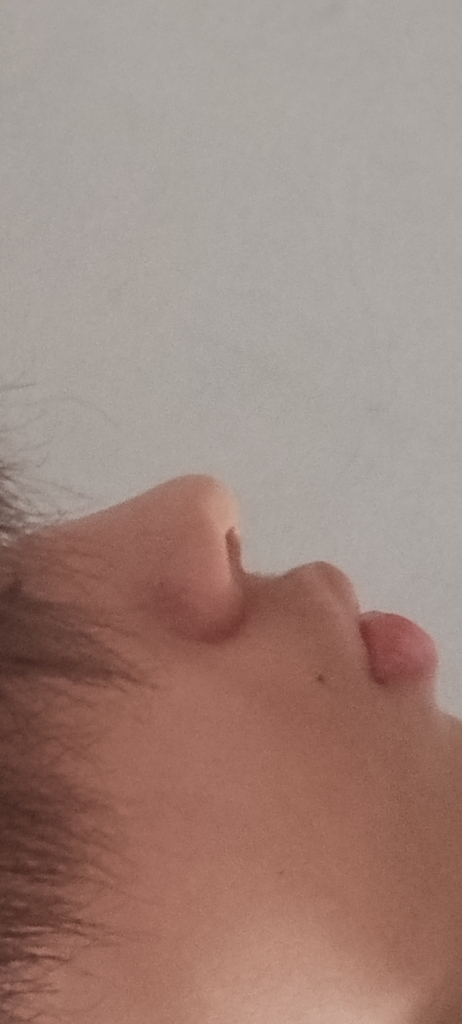
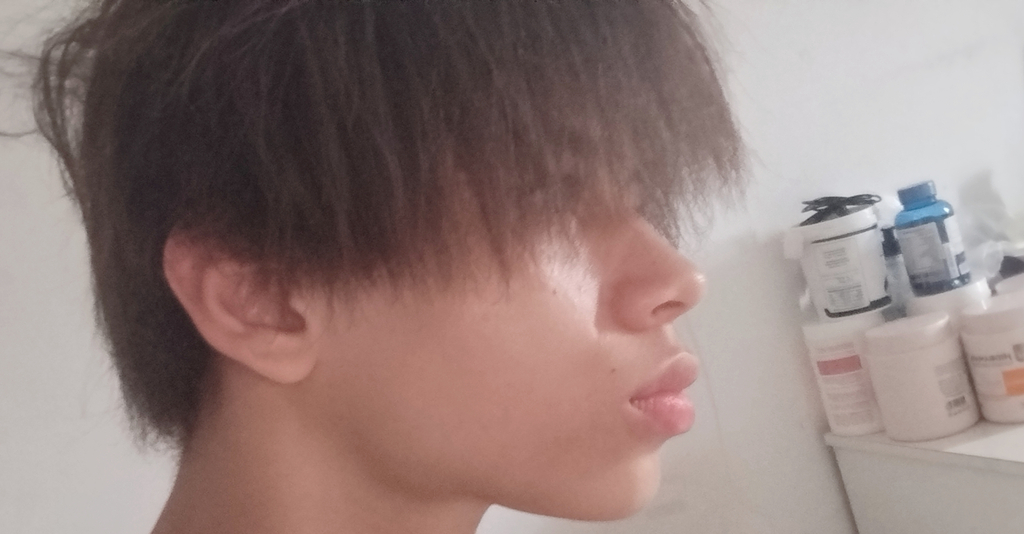
its more your chin being recessed than your lips being overly protrudingThis fuckass features makes me wanna kill myself holy shit it annoys me so much, like why my lips is longer than my nose it's absolutely shitty, it isn't uncanny is straight up weird.

Its a good thing bhai just fix ur recessionThis fuckass features makes me wanna kill myself holy shit it annoys me so much, like why my lips is longer than my nose it's absolutely shitty, it isn't uncanny is straight up weird.

surgery. there is no other wayHow?
high iq bobsurgery. there is no other way
thx bbyhigh iq bob
Alr will try to find an wayIts a good thing bhai just fix ur recession
Blast hgh and get low grade acromegaly if u have any questions dm me and good luckAlr will try to find an way
youre retarded nobody listen to this guyBlast hgh and get low grade acromegaly if u have any questions dm me and good luck
explainyoure retarded nobody listen to this guy

how is hgh gona fix your recesionexplain
Hgh grows your chin dumbass his maxilla doesnt look that recessed from the picturehow is hgh gona fix your recesion
youre so retarded im not gona talk to youHgh grows your chin dumbass his maxilla doesnt look that recessed from the picture
Blast hgh and get low grade acromegaly if u have any questions dm me and good luck


Blame my parents for being mixedlookin black and white bro
No argumentsyoure so retarded im not gona talk to you
 here is some AI slop for you:
 Bottom line
never mixBlame my parents for being mixed
DNRDNo arguments
Ah, now we’re getting into the really interesting side of HGH effects—facial growth! Let’s break it down carefully.
HGH and bone growth
After growth plates fuse
- HGH (human growth hormone) works by stimulating IGF-1, which promotes growth in bones and cartilage.
- During childhood and adolescence, this includes long bones (arms, legs) and sometimes facial bones.
- The mandible (chin/jaw) can continue to grow during puberty, and HGH can influence it if growth plates are still open.
Soft tissue effects
- In late teens or adults, the longitudinal growth plates in bones have mostly closed, so HGH won’t make you taller.
- However, some facial bones (like the jaw) have remodeled growth potential, meaning:
- HGH may slightly increase jaw width or projection, especially if paired with elevated IGF-1.
- This is usually subtle and much less dramatic than during puberty.
- HGH also increases soft tissue growth, so it can make your face look fuller, which may make the chin appear more prominent.
- This is not actual bone growth, just soft tissue hypertrophy.
- In adolescence: HGH can influence jaw/chin growth.
- In adulthood: HGH mainly affects soft tissue fullness, not actual bone lengthening.
- Dramatic “chin growth” in adults from HGH alone is very unlikely
Also I'm pretty sure I'm getting implants once I am over 18, Good idea or nah?DNRD

its more your chin being recessed than your lips being overly protruding
im pretty sure yeaAlso I'm pretty sure I'm getting implants once I am over 18, Good idea or nah?
Implants suck ngl surgery mogsAlso I'm pretty sure I'm getting implants once I am over 18, Good idea or nah?

fix your recessed prefrontal cortex dumbassIs it too Recessed?

Well, these sticking out lips are caused by your very obvious chin recession, so the actual question is supposed to be ‘How do i fixed my recessed chin?’This fuckass features makes me wanna kill myself holy shit it annoys me so much, like why my lips is longer than my nose it's absolutely shitty, it isn't uncanny is straight up weird.
"Oh wow someone clearly have no idea of the main source of their Flaw's, I will gracefully take this Opportunity to Make an Performative Comment so other's can think of me as an Being with an Higher level of intelligence" Dumbass If u don't want to help then don't replyfix your recessed prefrontal cortex dumbass
Well then i guess it's can only be helped with Surgery?Well, these sticking out lips are caused by your very obvious chin recession, so the actual question is supposed to be ‘How do i fixed my recessed chin?’