Idkman
Iron
- Joined
- Dec 24, 2025
- Posts
- 86
- Reputation
- 49
I wanna see how cuz I have a bad posture and from the list that I have send I want you guys to know what is the easiest thing to fix it:
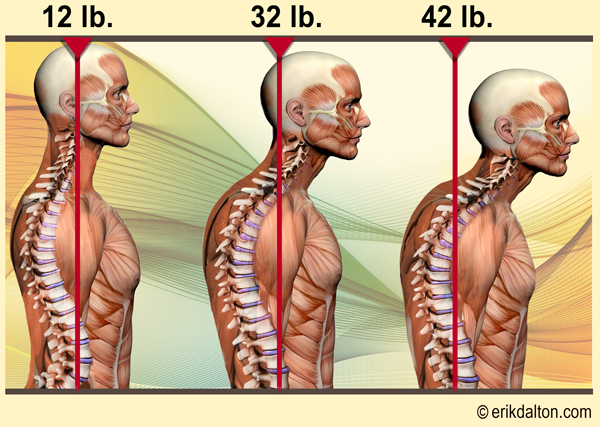
1. Forward Head Posture (1–3 cm)
Head sticks out, squashing the spine in the neck.
2. Rounded Shoulders/ Protracted Shoulders (0.5 to 2 cm)
The tight chest muscles cause shoulders rolling.
3. Thoracic Kyphosis (More Upper Back Curve) (1 0 0 -4 cm)
Over rounding of mid back.
4. Lower Back, Flat (1 to 2.5 cm Lumbar Flexion)
Devitalization of natural lower back curve.
5. Hyperlordosis (Excess Lumbar Curve) (0.52-2CM)
Overarched lower back.
6. Anterior Pelvic Tilt (1–3 cm)
Pelvis becomes tilted forward reducing the spinal length.
7. Posterior Pelvic Tilt (1–2 cm)
Pelvis is tilted backwards, lumbar curve flattened.
8. Functional Scoliosis (1–4 cm)
Habitual/imbalanced temporary lateral curve.
9. Structural Scoliosis (Mild) (1-6cm)
Fixed curve present at early/mild stage and which affects alignment.
10. Uneven Shoulders (0.5–1.5 cm)
One shoulder raised, resulting in tilt.
11. Uneven Hips (0.5–2 cm)
Pelvic asymmetry.
12. Functional Discrepancy in Leg-Length (0.52 cm)
Manifest difference compared to pelvic tilt or habits.
13. Poor Standing Habits (0.5–1.5 cm)
Shifting of the weight, knee locking, or bending.
14. Slouched Sitting Posture (1–3 cm)
The sitting position involves prolonged rounding.
15. Weak Core and Back Muscles (0.5–2 cm)
Inability to support the straight spine.
16. Flat Feet (Pes Planus) (0.5–1.5 cm)
Arches collapsed to change lower body chain.
17. Head Tilt / Lateral neck flexion (0.5 1 cm)
Sideways head lean.
18. Tight Hip Flexors (0.5–2 cm)
Reduced length of pelvis-pulling muscles.
19. Weak Glute Muscles (0.5–1.5 cm)
Loss of hip stabilization with the resultant tilting.
20. Prolonged Cellular/Computer Use (Text Neck) (1 3 cm)
Prolonged anterior screenings.
21. High-Heel Wearing Habit (0.5–2 cm)
Moves the pelvis and changes the alignment.
22. Excessive Pronation (Overpronation of Feet) (0.5 -1.5 cm)
Feet rolling inward, and making chain-reaction upwards.
23. Tight Hamstrings (0.5–1.5 cm)
Pull pelvis posteriorly.
24. Tight Chest Muscles / Pectoral Tightness (13 cm 2.5 cm)
Pulls shoulders forward.
25. Position with Hyperextended (Locked) Knees (0.5 -1 cm)
Bends the spine backwards with a pelvis push.
26. Carrying One-Sided (Bag/ Backpack) (0.5-1.5 cm)
Lateral tilt and compression are caused.
27. Poor Sleeping position (e.g. Fetal Position or High Pillow) (0.52 cm temporary/morning effect)
Neck strain or curled position which results in habitual rounding.
28. Weak Abdominal Muscles (0.5–1.5 cm)
Weakness of muscles to hold the back.
29. Incorrect Shoes (e.g. Flip-Flops, Lack of Support) (0.5 -1 cm)
Changes gait and postural chain.
30. Chronic Stress / Shoulder Hiking (0.5 -1.5 cm)
Tension makes shoulders high and shortens neck.
31. Overflexion of the Knee at standing posture (0.51 cm)
Bend knees decrease full extension of the leg.
32. Genu Valgum / Genu Varum (Knock Knees / Bow Legs) (0.52cm -2cm)
Knee displacement with regards to pelvic and spinal alignment.
33. Standing on one leg and weight (0.51.5 cm)
Habit pattern leading to drop in hips and curve of spine.
34. Tight Calf Muscles (0.5–1 cm)
Restricts ankle movement, changes position to an upright one.
35. Forward Shoulder Posture (Scapular Protraction) (1 2 cm)
Focuses on pulling shoulders forwards by the scapula.
36. Tight Hip Flexors (Iliopsoas, Rectus Femoris, TFL) (13 cm)
Initial cause of anterior pelvic tilt.
37. Weak Gluteus Maximus (Main Butt Muscle) (0.5 2 cm)
Unable to flex them fully or counter anterior.
38. Weak Gluteus medius/ minimus (Side Butt Muscles) (0.51.5 cm)
Weak hip stabilization causes subsequent pelvic tilt on the sides.
39. Tight Hamstrings (Biceps Femoris, Semitendinosus, Semimembranosus) (0.52 cm)
Pushes the pelvis in the back or restricts the extension of the leg.
40. Weak Hamstrings (0.5–1.5 cm)
Helps develop anterior posterior tilt of the pelvis due to the lack of the balancing of the quads/hip flexors.
41. Tight Quadriceps (0.5–1.5 cm)
Is able to pull on pelvis or restrict reciprocal inhibition.
42. Weak Quadriceps (0.5–1 cm)
Causes over flexion of knee when standing.
43. Tight Adductors (Inner Thigh) (0.5 -1.5 cm)
Draws hips in, and it impacts the pelvis.
44. Weak Adductors (0.5–1 cm)
Reduces pelvic control.
45. Tight/Overactive Abductors (TFL, IT Band) (0.5 -1.5 cm)
Tugs of the pelvis to the side or in front.
46. Weak Abductors (0.5–1 cm)
Drops hip or ineffective stabilization.
47. Tight Calves (Gastrocnemius, Soleus) (0.5 cm -1.5 cm)
Restricts dorsiflexion of the ankle causing forward lean.
48. Weak Calves/Tibialis Anterior (0.51cm)
Weakness in ankle stability decreases complete upright stance.
49. Vaginal pH (0.3 cm indirect) Tight Piriformis (0.3 -1 cm indirect)
Potentially brings about pelvic rotation or compensatory imbalances.
50. Weak/Tight Tibialis Posterior or Peroneals (0.30 -0.8 cm)
Add to the problems of pronation/supination to the chain.
51. Tight/Overactive Quadratus Lumborum (QL) (0.5 -1.5 cm)
Etiology tilt or elevation of the hips laterally (asymmetrical hips).
1. Forward Head Posture (1–3 cm)
Head sticks out, squashing the spine in the neck.
2. Rounded Shoulders/ Protracted Shoulders (0.5 to 2 cm)
The tight chest muscles cause shoulders rolling.
3. Thoracic Kyphosis (More Upper Back Curve) (1 0 0 -4 cm)
Over rounding of mid back.
4. Lower Back, Flat (1 to 2.5 cm Lumbar Flexion)
Devitalization of natural lower back curve.
5. Hyperlordosis (Excess Lumbar Curve) (0.52-2CM)
Overarched lower back.
6. Anterior Pelvic Tilt (1–3 cm)
Pelvis becomes tilted forward reducing the spinal length.
7. Posterior Pelvic Tilt (1–2 cm)
Pelvis is tilted backwards, lumbar curve flattened.
8. Functional Scoliosis (1–4 cm)
Habitual/imbalanced temporary lateral curve.
9. Structural Scoliosis (Mild) (1-6cm)
Fixed curve present at early/mild stage and which affects alignment.
10. Uneven Shoulders (0.5–1.5 cm)
One shoulder raised, resulting in tilt.
11. Uneven Hips (0.5–2 cm)
Pelvic asymmetry.
12. Functional Discrepancy in Leg-Length (0.52 cm)
Manifest difference compared to pelvic tilt or habits.
13. Poor Standing Habits (0.5–1.5 cm)
Shifting of the weight, knee locking, or bending.
14. Slouched Sitting Posture (1–3 cm)
The sitting position involves prolonged rounding.
15. Weak Core and Back Muscles (0.5–2 cm)
Inability to support the straight spine.
16. Flat Feet (Pes Planus) (0.5–1.5 cm)
Arches collapsed to change lower body chain.
17. Head Tilt / Lateral neck flexion (0.5 1 cm)
Sideways head lean.
18. Tight Hip Flexors (0.5–2 cm)
Reduced length of pelvis-pulling muscles.
19. Weak Glute Muscles (0.5–1.5 cm)
Loss of hip stabilization with the resultant tilting.
20. Prolonged Cellular/Computer Use (Text Neck) (1 3 cm)
Prolonged anterior screenings.
21. High-Heel Wearing Habit (0.5–2 cm)
Moves the pelvis and changes the alignment.
22. Excessive Pronation (Overpronation of Feet) (0.5 -1.5 cm)
Feet rolling inward, and making chain-reaction upwards.
23. Tight Hamstrings (0.5–1.5 cm)
Pull pelvis posteriorly.
24. Tight Chest Muscles / Pectoral Tightness (13 cm 2.5 cm)
Pulls shoulders forward.
25. Position with Hyperextended (Locked) Knees (0.5 -1 cm)
Bends the spine backwards with a pelvis push.
26. Carrying One-Sided (Bag/ Backpack) (0.5-1.5 cm)
Lateral tilt and compression are caused.
27. Poor Sleeping position (e.g. Fetal Position or High Pillow) (0.52 cm temporary/morning effect)
Neck strain or curled position which results in habitual rounding.
28. Weak Abdominal Muscles (0.5–1.5 cm)
Weakness of muscles to hold the back.
29. Incorrect Shoes (e.g. Flip-Flops, Lack of Support) (0.5 -1 cm)
Changes gait and postural chain.
30. Chronic Stress / Shoulder Hiking (0.5 -1.5 cm)
Tension makes shoulders high and shortens neck.
31. Overflexion of the Knee at standing posture (0.51 cm)
Bend knees decrease full extension of the leg.
32. Genu Valgum / Genu Varum (Knock Knees / Bow Legs) (0.52cm -2cm)
Knee displacement with regards to pelvic and spinal alignment.
33. Standing on one leg and weight (0.51.5 cm)
Habit pattern leading to drop in hips and curve of spine.
34. Tight Calf Muscles (0.5–1 cm)
Restricts ankle movement, changes position to an upright one.
35. Forward Shoulder Posture (Scapular Protraction) (1 2 cm)
Focuses on pulling shoulders forwards by the scapula.
36. Tight Hip Flexors (Iliopsoas, Rectus Femoris, TFL) (13 cm)
Initial cause of anterior pelvic tilt.
37. Weak Gluteus Maximus (Main Butt Muscle) (0.5 2 cm)
Unable to flex them fully or counter anterior.
38. Weak Gluteus medius/ minimus (Side Butt Muscles) (0.51.5 cm)
Weak hip stabilization causes subsequent pelvic tilt on the sides.
39. Tight Hamstrings (Biceps Femoris, Semitendinosus, Semimembranosus) (0.52 cm)
Pushes the pelvis in the back or restricts the extension of the leg.
40. Weak Hamstrings (0.5–1.5 cm)
Helps develop anterior posterior tilt of the pelvis due to the lack of the balancing of the quads/hip flexors.
41. Tight Quadriceps (0.5–1.5 cm)
Is able to pull on pelvis or restrict reciprocal inhibition.
42. Weak Quadriceps (0.5–1 cm)
Causes over flexion of knee when standing.
43. Tight Adductors (Inner Thigh) (0.5 -1.5 cm)
Draws hips in, and it impacts the pelvis.
44. Weak Adductors (0.5–1 cm)
Reduces pelvic control.
45. Tight/Overactive Abductors (TFL, IT Band) (0.5 -1.5 cm)
Tugs of the pelvis to the side or in front.
46. Weak Abductors (0.5–1 cm)
Drops hip or ineffective stabilization.
47. Tight Calves (Gastrocnemius, Soleus) (0.5 cm -1.5 cm)
Restricts dorsiflexion of the ankle causing forward lean.
48. Weak Calves/Tibialis Anterior (0.51cm)
Weakness in ankle stability decreases complete upright stance.
49. Vaginal pH (0.3 cm indirect) Tight Piriformis (0.3 -1 cm indirect)
Potentially brings about pelvic rotation or compensatory imbalances.
50. Weak/Tight Tibialis Posterior or Peroneals (0.30 -0.8 cm)
Add to the problems of pronation/supination to the chain.
51. Tight/Overactive Quadratus Lumborum (QL) (0.5 -1.5 cm)
Etiology tilt or elevation of the hips laterally (asymmetrical hips).